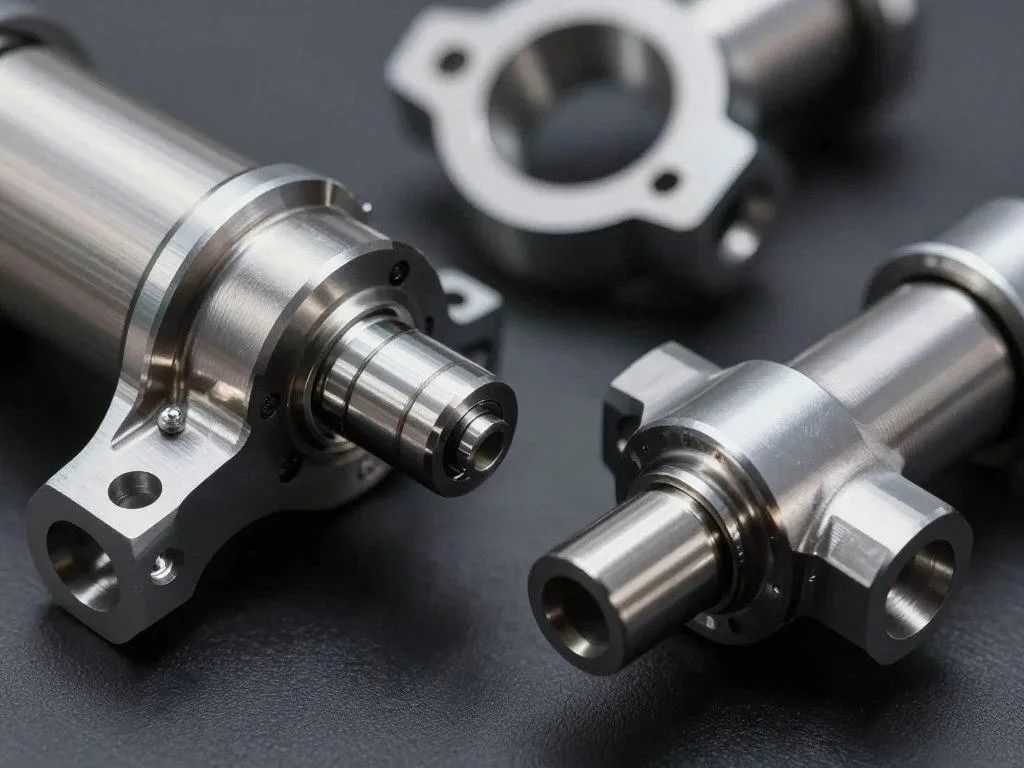
Honda CBR900RR OEM vs Aftermarket Parts
Choosing between OEM and aftermarket parts affects cost, quality, and compatibility. Understanding differences helps you make informed purchasing decisions. Both options have advantages depending on your needs and budget.
OEM vs Aftermarket Parts: Making the Right Choice
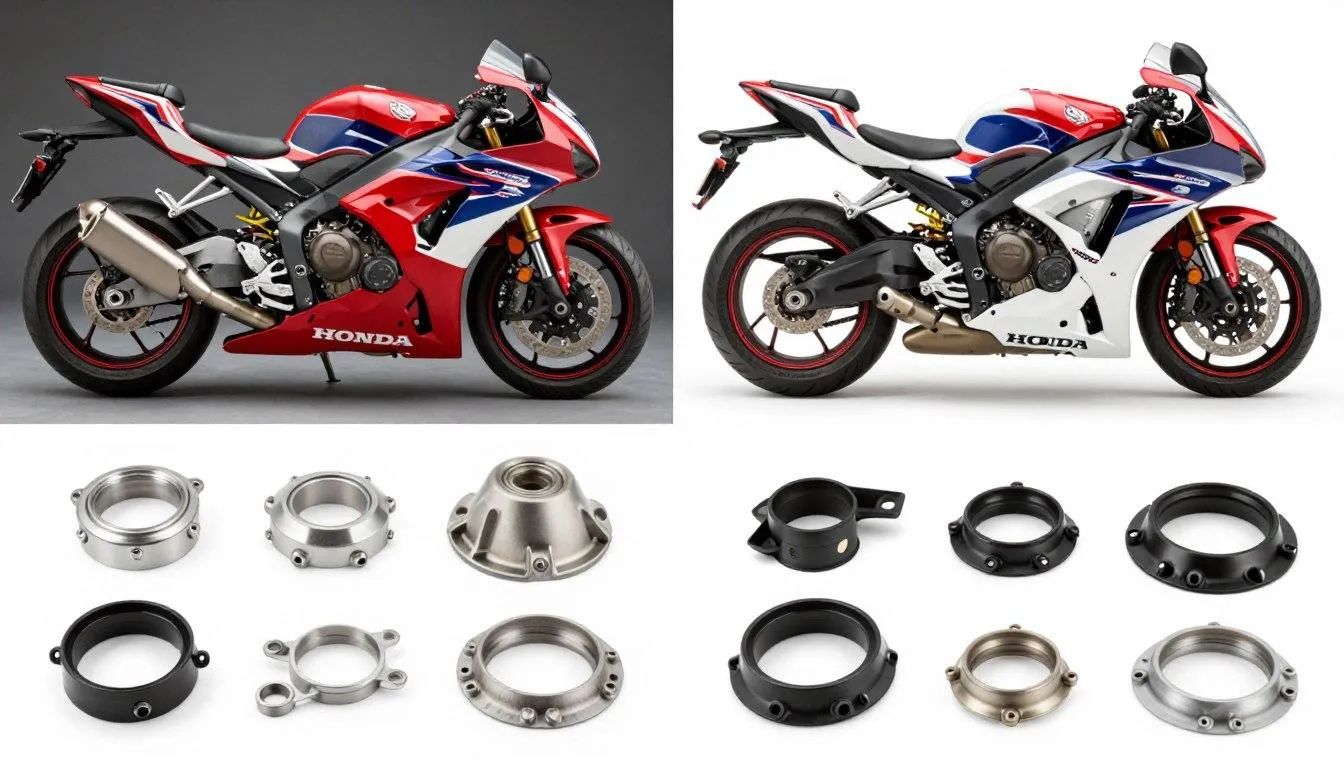
OEM Parts Advantages
Original Equipment Manufacturer parts come from Honda or Honda-approved suppliers. They guarantee exact fit and function. OEM parts maintain resale value and ensure compatibility. Warranty coverage often requires OEM parts for repairs.
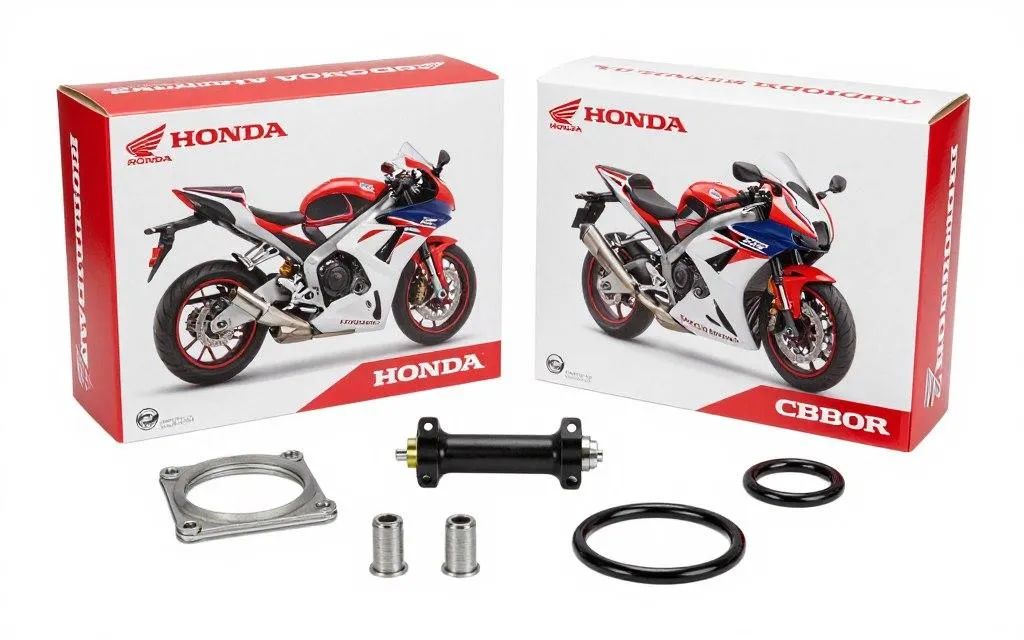
Part numbers identify specific components for your model year. Honda parts diagrams show correct part numbers and locations. Cross-reference part numbers to ensure compatibility. Superseded part numbers indicate newer versions of the same component.
- Guaranteed fit and quality
- Honda warranty coverage
- Exact specifications
- Resale value preservation
- Known reliability
- Comprehensive parts diagrams
Aftermarket Parts Benefits
Aftermarket manufacturers produce parts for multiple brands. They offer cost savings compared to OEM. Quality varies from budget to premium. Research manufacturer reputation before purchasing aftermarket parts.
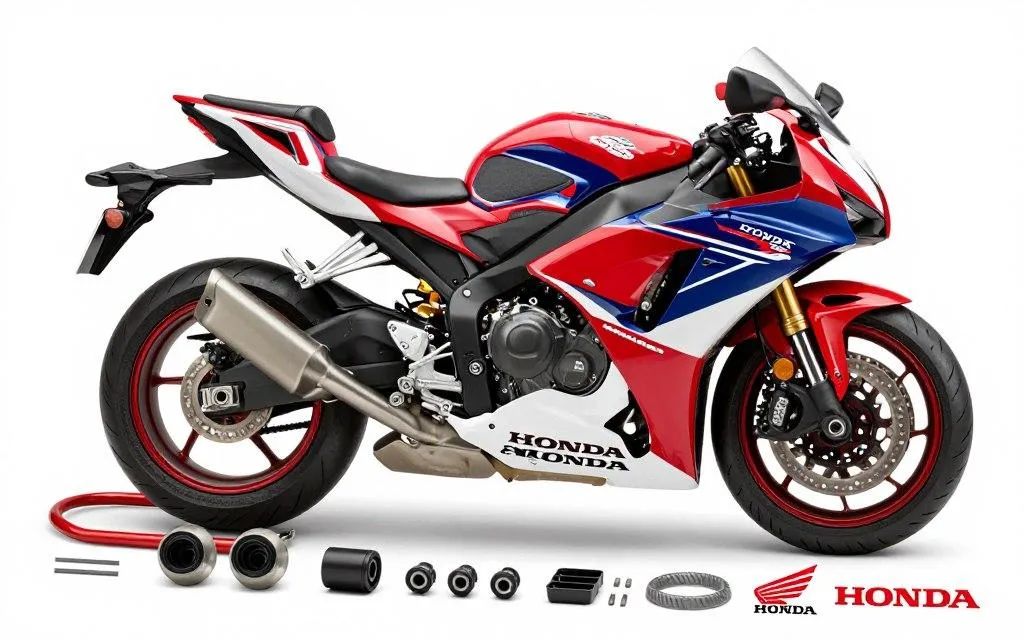
Performance parts improve upon stock components. Racing parts exceed OEM specifications for track use. Aftermarket companies specialize in specific component categories. Choose reputable brands with proven track records for reliability.
When to Choose OEM
- Engine internal components
- Electrical system parts
- Safety-critical components
- Warranty repair work
- Maintaining originality
- Resale considerations
When Aftermarket Works
- Consumable items like brake pads
- Performance upgrades
- Cost-sensitive repairs
- Racing applications
- Custom modifications
- Discontinued OEM parts
Quality Considerations
Not all aftermarket parts offer equal quality. Budget parts may use inferior materials or loose tolerances. Premium aftermarket often exceeds OEM quality. Read reviews and research before purchasing unknown brands.
Country of origin affects quality and price. Japanese and European manufacturers typically produce higher-quality parts. Chinese parts vary widely in quality. Inspect parts upon receipt for defects or damage before installation.
Warranty coverage indicates manufacturer confidence. Quality parts include warranties against defects. Save documentation for warranty claims. Cheap parts with no warranty may cost more long-term if they fail prematurely.