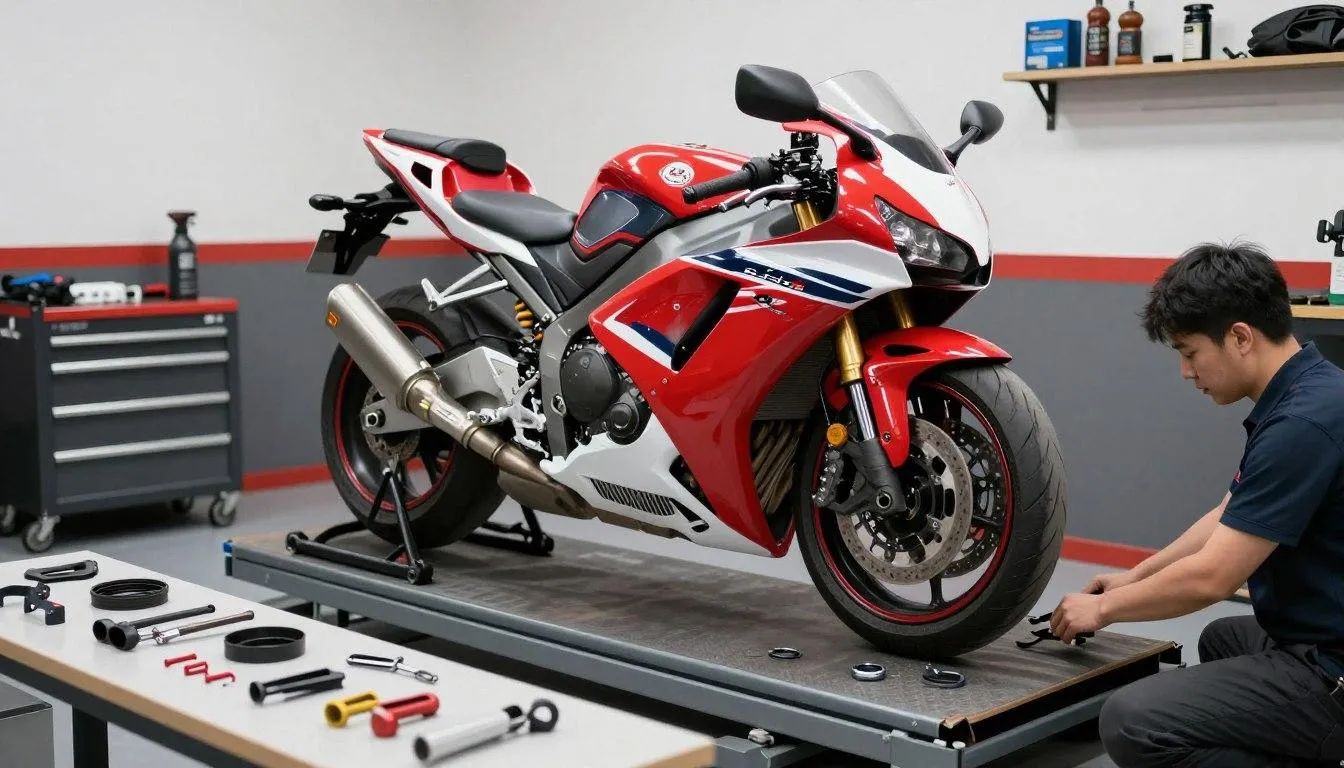
Honda CBR900RR Maintenance, Installation and Troubleshooting Guide
Regular maintenance keeps your CBR900RR reliable and performing at its best. Understanding maintenance intervals and required parts helps you plan service and budget accordingly. Quality maintenance parts prevent problems and extend motorcycle life.
Regular Maintenance Parts and Service Items
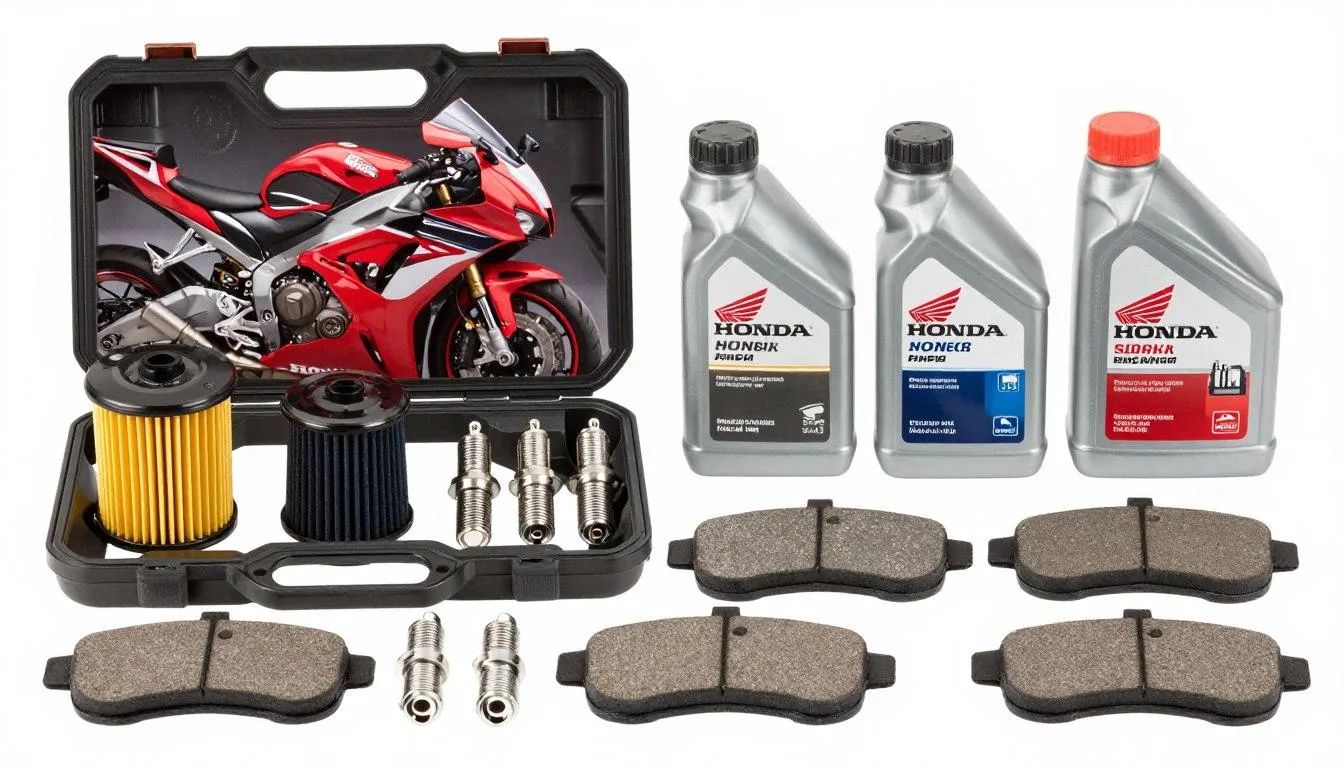
Oil Change Parts and Filters
Engine oil lubricates and cools internal components. Follow manufacturer recommendations for oil viscosity and change intervals. Synthetic oils offer superior protection and extended drain intervals. Change oil every 3000-5000 miles depending on riding conditions.
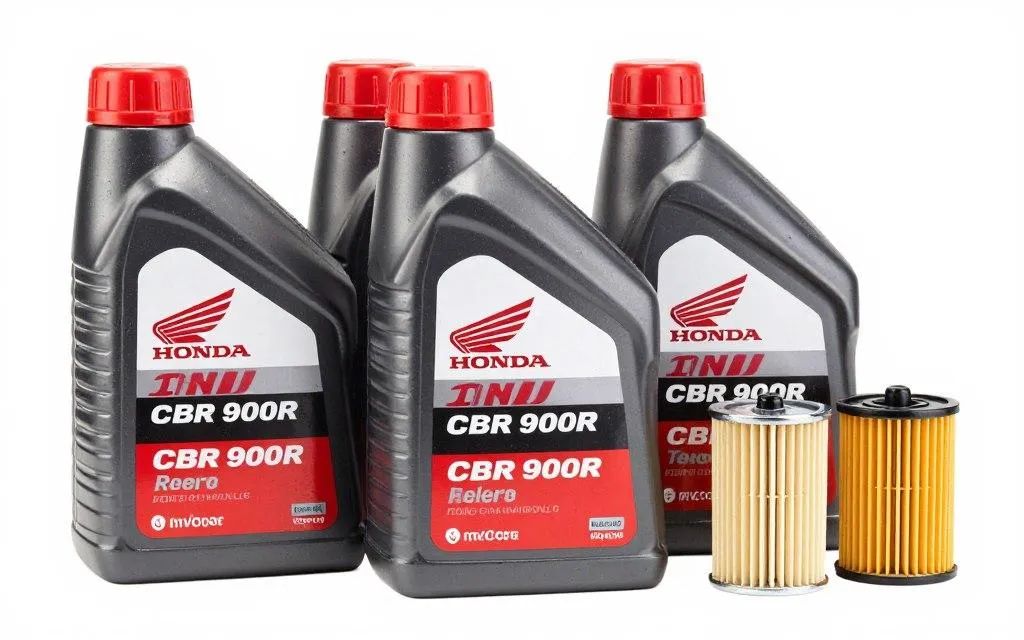
Oil filters trap contaminants and keep oil clean. Replace the oil filter at every oil change. Genuine Honda filters ensure proper filtration and fit. Aftermarket filters from reputable brands provide equivalent protection at lower cost.
The oil drain plug uses a crush washer to seal. Replace the crush washer every oil change to prevent leaks. Torque drain plugs properly to avoid stripping threads. Overtightening damages oil pan threads requiring expensive repairs.
Spark Plug Replacement
Spark plugs ignite the air-fuel mixture in each cylinder. Replace plugs according to the maintenance schedule. Iridium plugs last longer than standard plugs. Gap plugs to specification before installation for proper ignition.
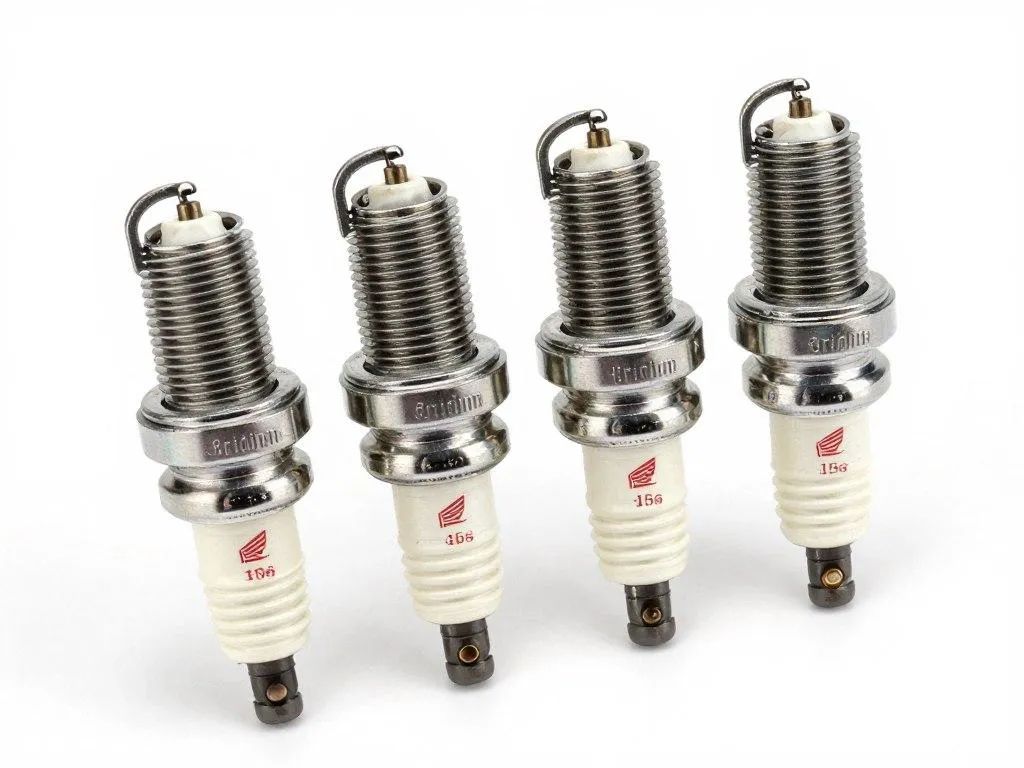
Read spark plug condition to assess engine health. Tan-colored deposits indicate proper combustion. Black sooty plugs suggest rich fuel mixture. White plugs indicate lean mixture or overheating. Adjust fuel mixture if plug condition indicates problems.
Use a torque wrench when installing spark plugs. Overtightening damages cylinder head threads. Undertightening allows combustion pressure to leak past threads. Apply anti-seize compound to plug threads sparingly to prevent galling.
Air Filter Service
Clean air is essential for proper combustion and engine longevity. Paper filters should be replaced when dirty. Foam filters can be cleaned and reused. Oiled foam filters require proper re-oiling after cleaning for effective filtration.
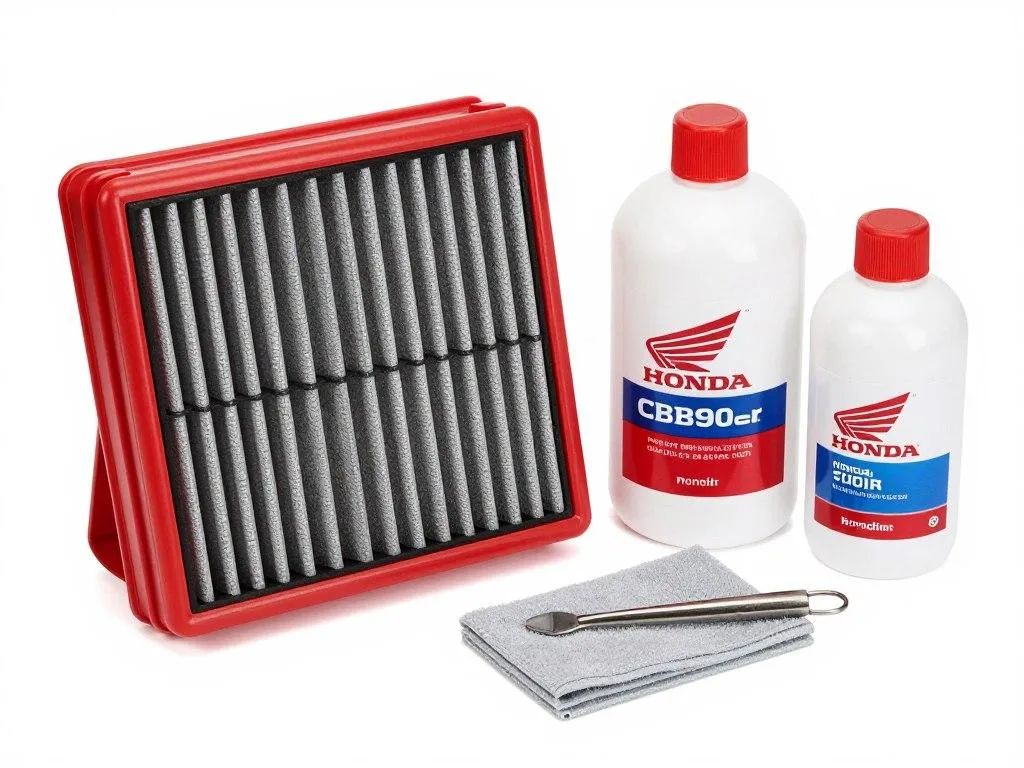
Inspect air filters every 3000 miles or more frequently in dusty conditions. Dirty filters reduce power and fuel economy. Severely clogged filters allow unfiltered air past the element. Replace damaged filters immediately to prevent engine damage.
Seal the airbox properly after filter service. Air leaks bypass filtration and affect fuel mixture. Check airbox drain tubes to ensure they're clear. Clogged drains allow water accumulation in the airbox.
Brake Fluid and Coolant Service
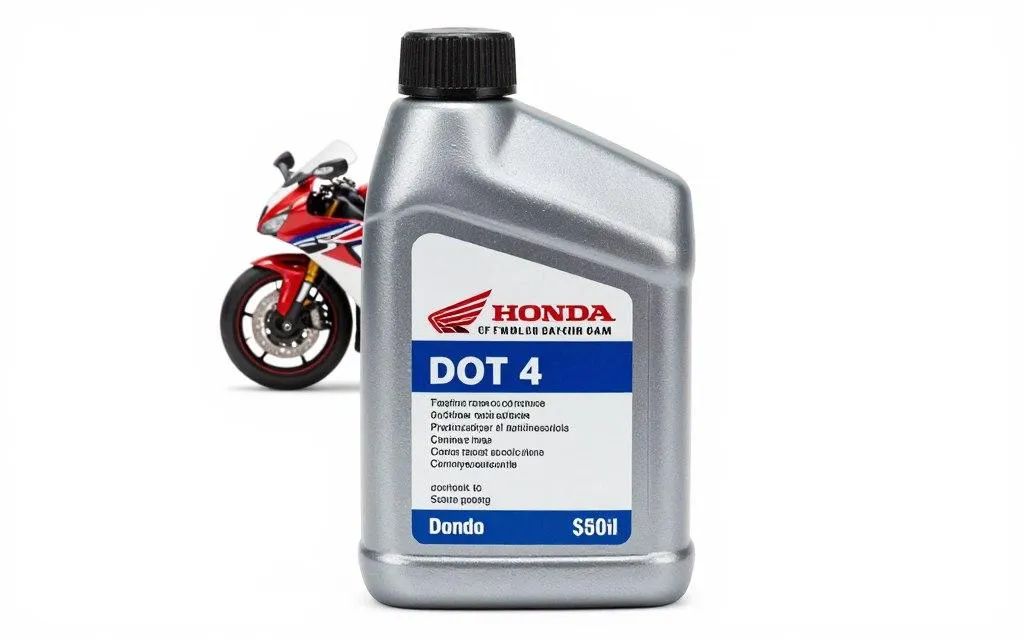
Brake fluid absorbs moisture over time, reducing boiling point. Replace brake fluid every two years regardless of appearance. Use DOT 4 fluid unless manufacturer specifies different type. Flush system completely when changing fluid.
Engine coolant protects against freezing and corrosion. Flush cooling system every two years and refill with fresh coolant. Use premixed coolant for convenience. Check coolant level regularly and top up as needed with same type.
Inspect coolant hoses during service for deterioration. Squeeze hoses to check for soft spots or cracks. Replace questionable hoses before they fail. Tighten hose clamps if minor seepage appears at connections.
Installation Tips and Best Practices
Proper installation ensures parts perform correctly and last their intended lifespan. Following best practices prevents damage during installation. Understanding basic procedures helps you maintain your CBR900RR confidently.
Required Tools and Equipment
Metric tools are essential for Japanese motorcycles. Invest in quality sockets, wrenches, and screwdrivers. Torque wrenches ensure proper bolt tension. Specialty tools may be required for specific procedures like valve adjustment or fork service.
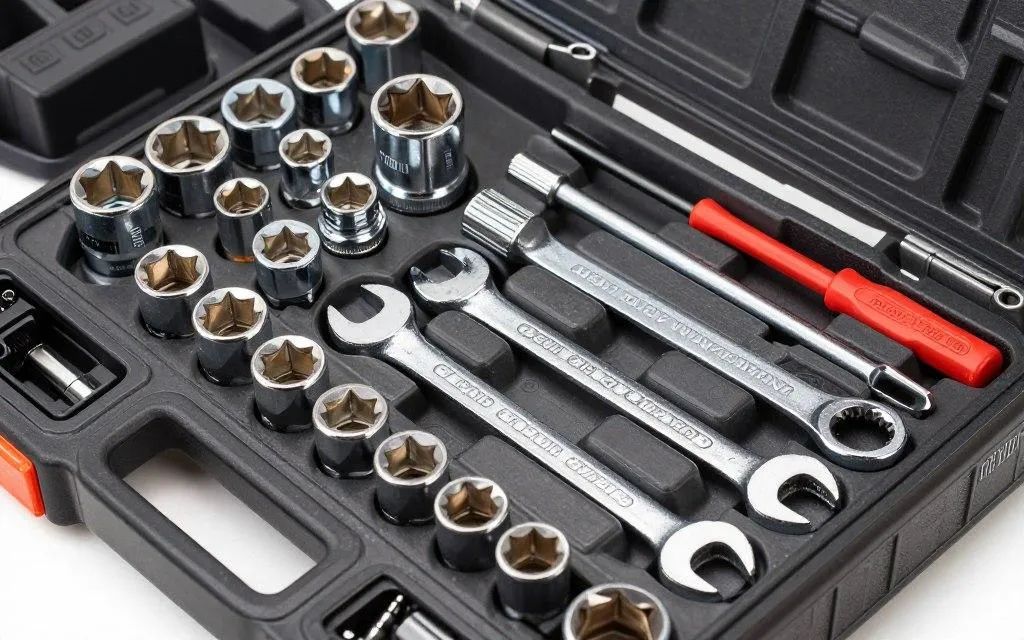
A service manual provides torque specifications and procedures. Factory manuals offer complete information but cost more. Aftermarket manuals provide adequate guidance for most work. Online resources supplement printed manuals for specific procedures.
- Metric socket set 8mm to 24mm
- Combination wrench set
- Torque wrench 10-80 ft-lbs
- Allen key set metric sizes
- Screwdriver set Phillips and flat
- Pliers and cutting tools
- Chain breaker and riveting tool
- Motorcycle stand or lift
Safety Considerations
Work in a well-ventilated area when using chemicals. Wear safety glasses during mechanical work. Use jack stands when working under the motorcycle. Never rely solely on the kickstand for support during service.
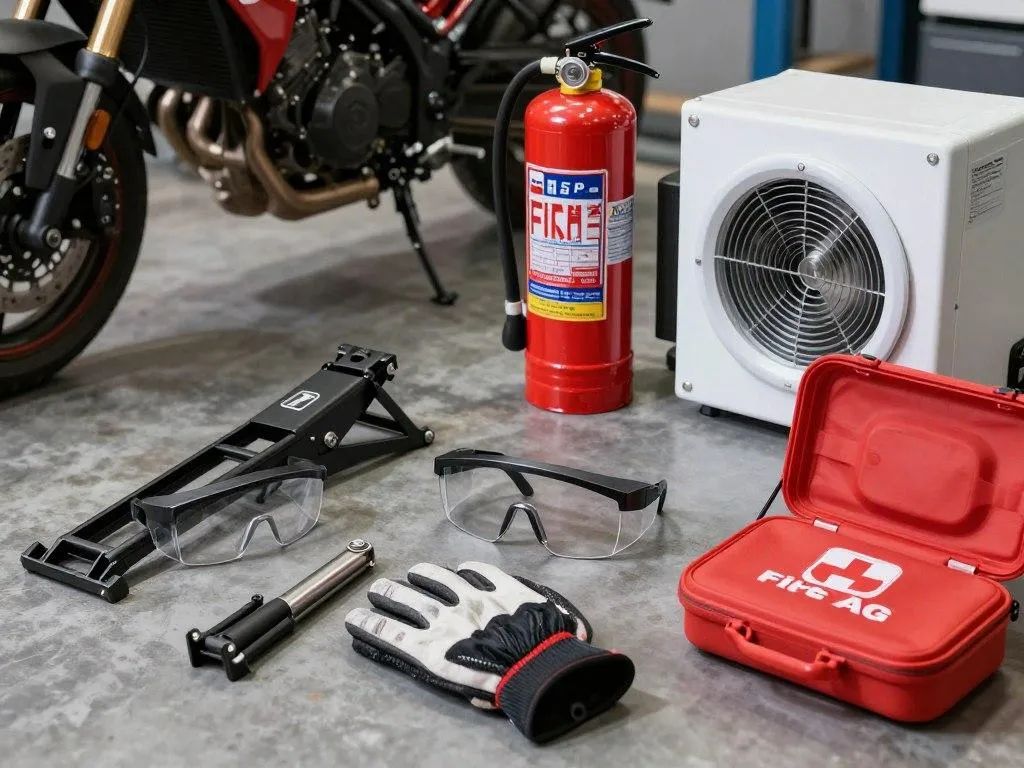
Disconnect battery before electrical work to prevent shorts. Cover fuel tank when working nearby to prevent scratches. Use proper lifting techniques to avoid injury. Keep work area organized to prevent lost parts and tripping hazards.
Common Installation Mistakes
Overtightening bolts is a frequent error. Use torque specifications to prevent damage. Cross-threading occurs when bolts aren't aligned properly. Start bolts by hand to ensure proper thread engagement before tightening.
Installation Do's
- Read instructions completely first
- Organize parts before starting
- Use correct tools for each job
- Follow torque specifications
- Replace gaskets and seals
- Take photos during disassembly
- Clean threads before assembly
Installation Don'ts
- Force parts that don't fit easily
- Reuse crush washers or O-rings
- Mix up similar-looking parts
- Skip steps in procedures
- Guess at torque values
- Work without proper lighting
- Rush through complex jobs
Forgetting to replace crush washers causes oil and coolant leaks. Keep a selection of common washers and O-rings. Mixing up similar bolts during disassembly causes frustration during reassembly. Organize fasteners by location as you remove them.
Troubleshooting Common Parts Failures
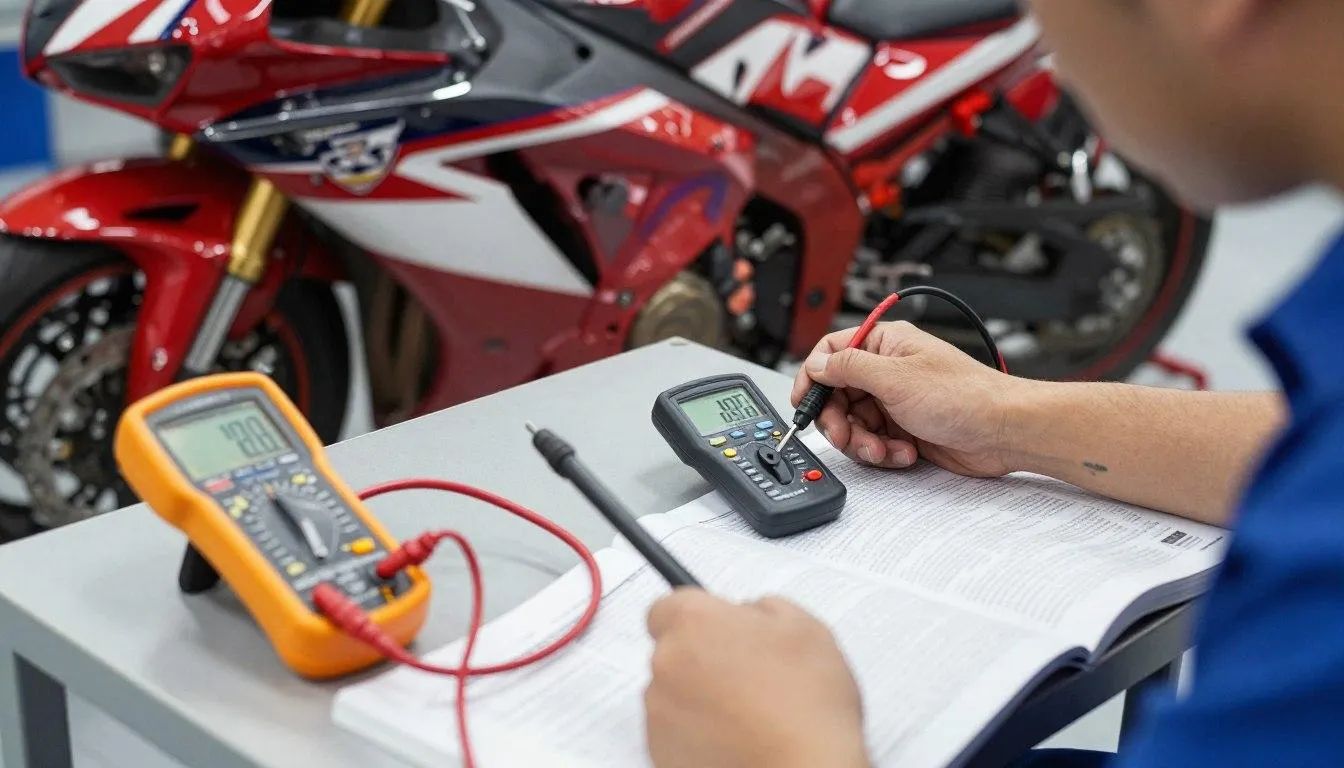
Identifying failing parts early prevents breakdowns and expensive repairs. Understanding common failure modes helps diagnose problems. Systematic troubleshooting saves time and money when issues arise.
Electrical System Diagnostics
Electrical problems often result from poor connections rather than failed components. Clean and inspect connectors before replacing parts. Use a multimeter to test voltage and continuity. Check fuses before diagnosing complex electrical issues.
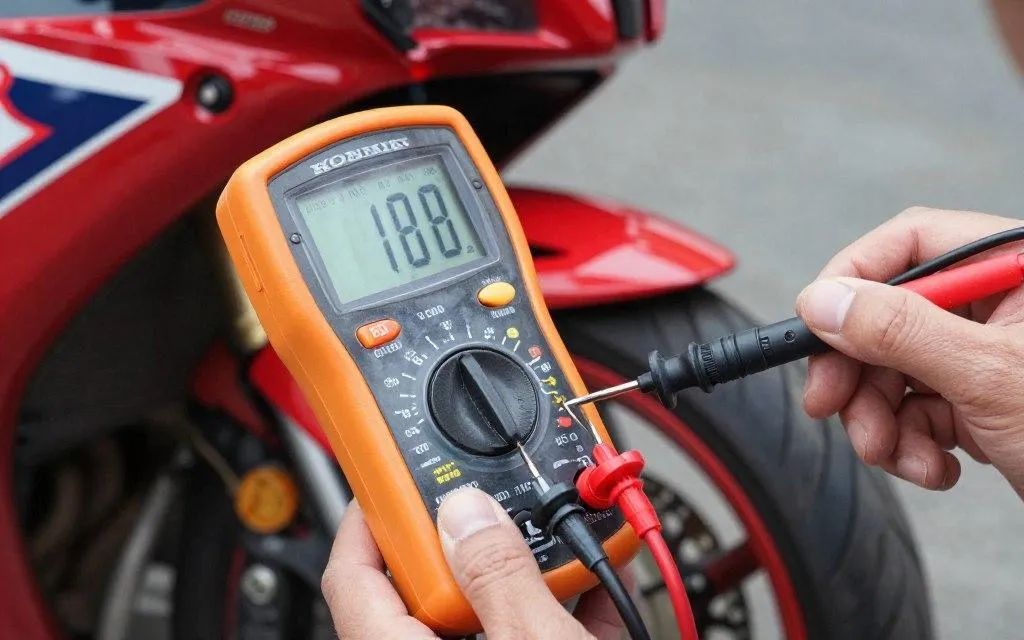
No-start conditions require systematic diagnosis. Verify battery voltage first. Test for spark at spark plugs. Check fuel delivery to rule out fuel system issues. Narrow down problem areas before replacing expensive components.
Charging system problems cause battery discharge. Test charging voltage at various RPMs. Stator failure prevents charging. Voltage regulator failure causes overcharging or undercharging. Diagnose correctly to avoid replacing wrong components.
Engine Performance Issues
Poor running often indicates fuel system problems. Clean carburetors if bike has been sitting. Check fuel pressure on injected models. Air leaks cause lean running and poor performance. Inspect intake boots and carburetor mounting for cracks.
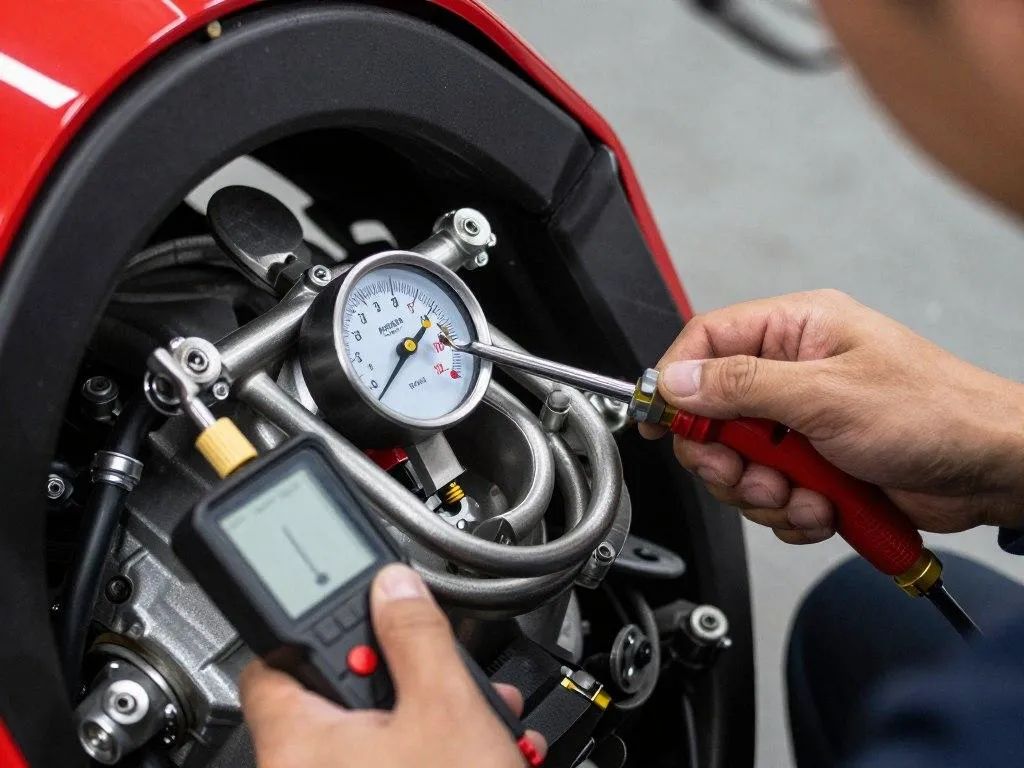
Compression testing reveals engine internal health. Low compression indicates worn rings or valves. Uneven compression between cylinders suggests specific cylinder problems. Perform leak-down testing for more detailed diagnosis of compression issues.
Suspension and Handling Problems
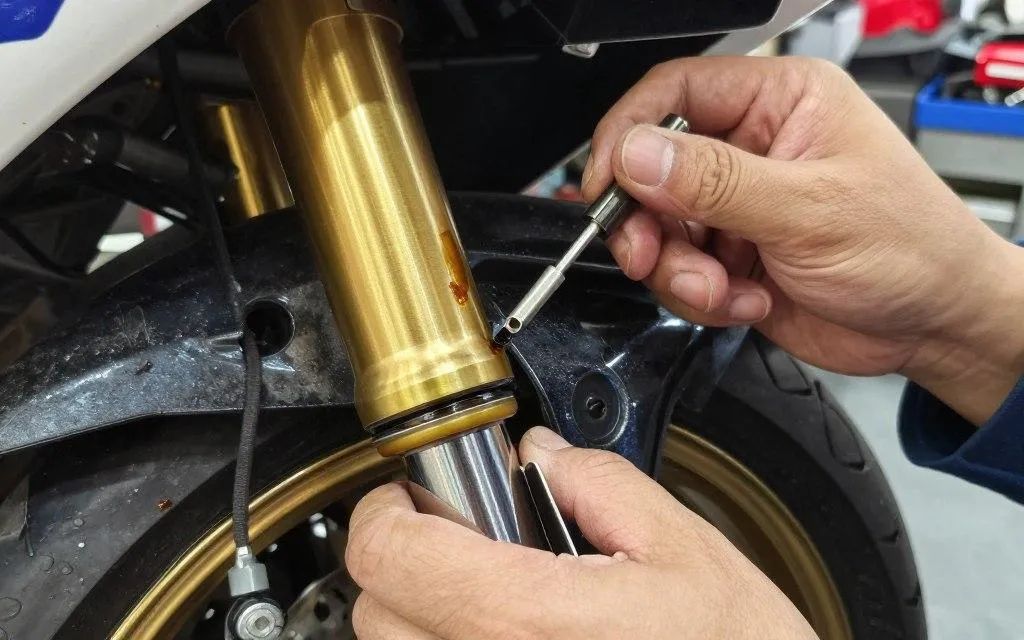
Fork oil leaks indicate worn seals. Spongy fork action suggests low oil level. Harsh action may indicate wrong oil weight or failed damping. Inspect for external damage before assuming internal failure.
Rear shock fade during hard riding indicates overheating or worn damping. Harsh rebound suggests failed damping. Bottoming indicates inadequate spring rate or preload. Adjust suspension settings before replacing components.
Steering head bearing wear causes wobble or loose feeling. Check bearings by supporting front wheel off ground. Movement in steering indicates worn bearings. Replace bearings and races as a set for proper operation.