Honda CBR900RR Engine, Cooling and Exhaust Parts
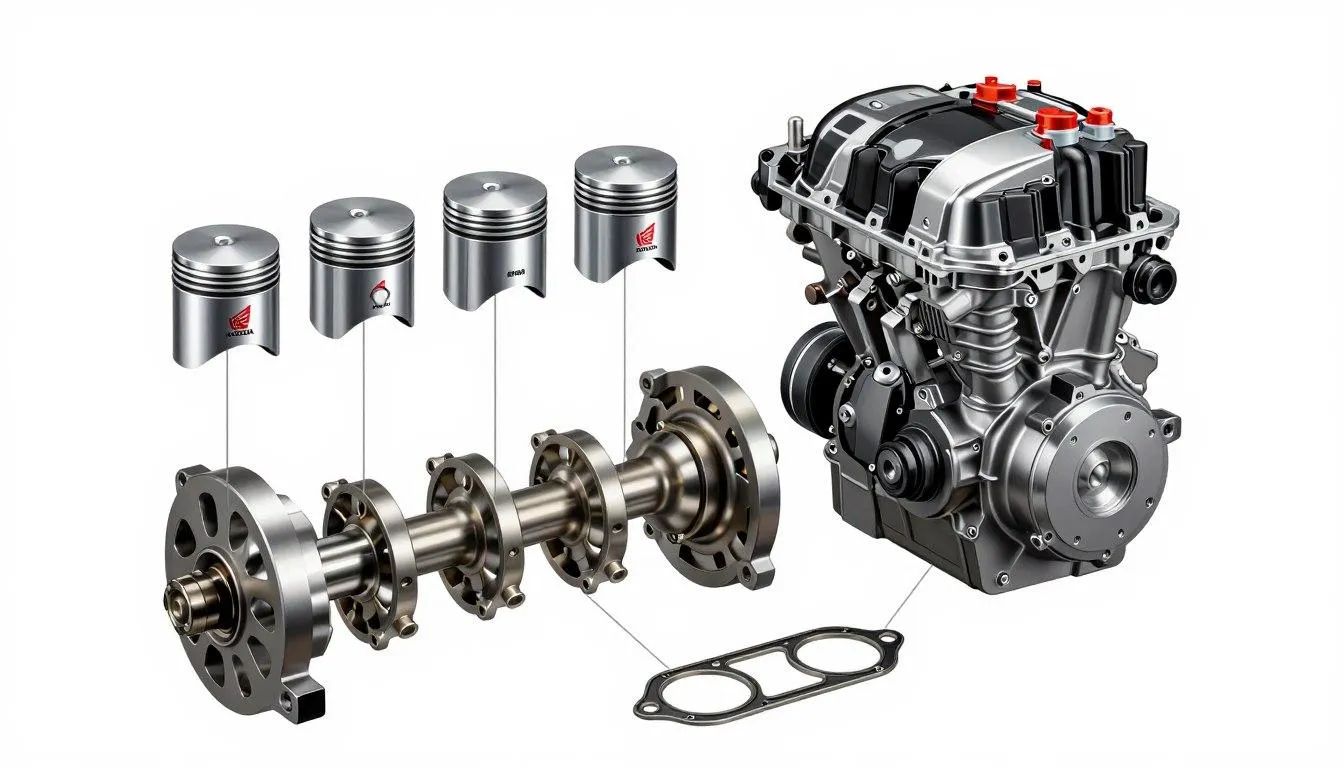
The CBR900RR's 893-919cc inline-four engine requires regular maintenance and occasional component replacement. Understanding the critical engine parts helps you maintain optimal performance and prevent catastrophic failures. Quality engine components are essential for reliability.
Essential Engine Parts and Components for CBR900RR
Oil System Components
The oil system keeps your CBR900RR engine properly lubricated. Regular oil changes using the correct filter prevent premature wear. The oil filter should be replaced every service interval to maintain clean oil circulation throughout the engine.
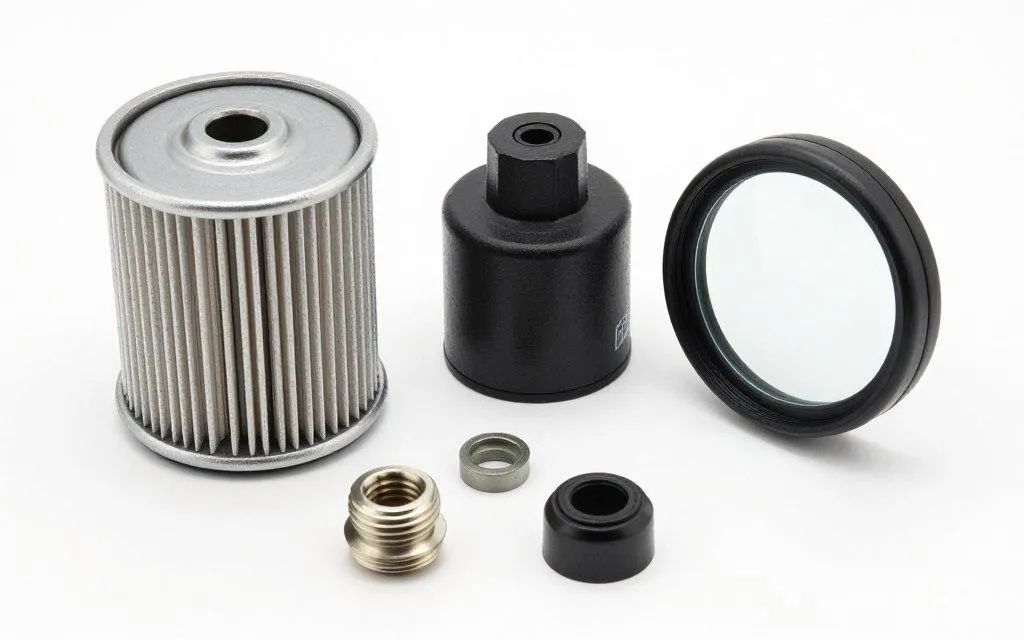
Oil pumps rarely fail but should be inspected during major engine work. The oil pressure relief valve maintains proper system pressure. Replace the oil drain plug crush washer every oil change to prevent leaks.
- Use Honda genuine oil filters for best filtration
- Replace crush washers to prevent oil leaks
- Check oil level before every ride
- Monitor oil consumption patterns
- Inspect oil cooler lines for cracks
Air Filter and Intake System
Clean air intake is critical for performance. The air filter prevents contaminants from entering the engine while allowing maximum airflow. Replace or clean your air filter according to your riding conditions and manufacturer recommendations.
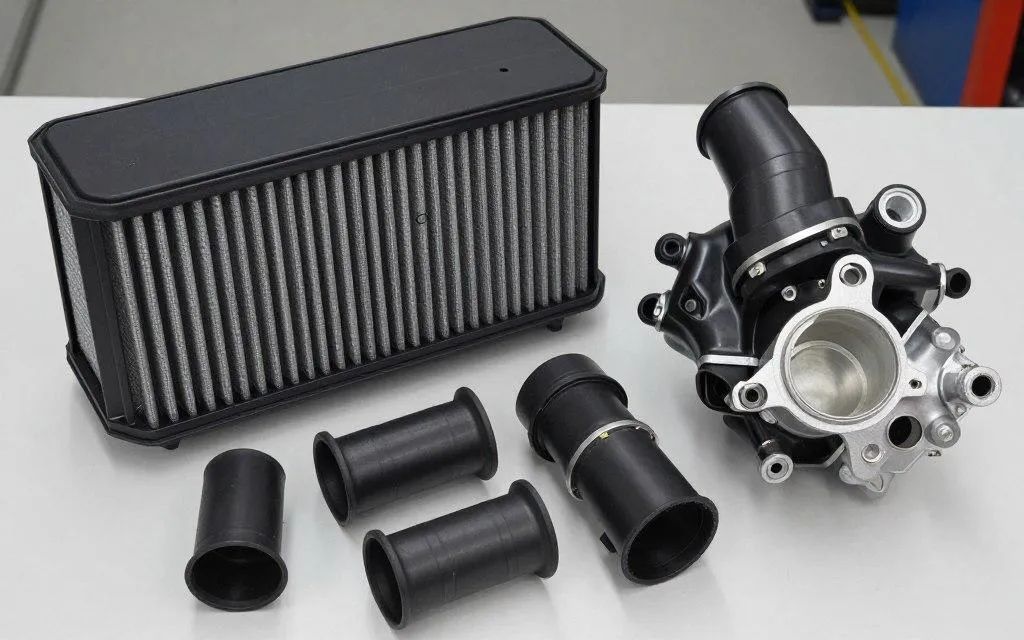
Performance air filters offer increased flow but require regular cleaning and oiling. Stock paper filters provide excellent filtration and are cost-effective. The airbox should be sealed properly to prevent unfiltered air from entering the engine.
Intake boots connect the airbox to carburetors or throttle bodies. These rubber components crack over time and cause air leaks. Replace hardened or cracked intake boots to maintain proper fuel mixture and prevent rough running.
Fuel System Parts
Fuel system maintenance keeps your CBR900RR running smoothly. Carburetor models require periodic cleaning and synchronization. Fuel-injected models need occasional injector cleaning and fuel filter replacement for optimal performance.
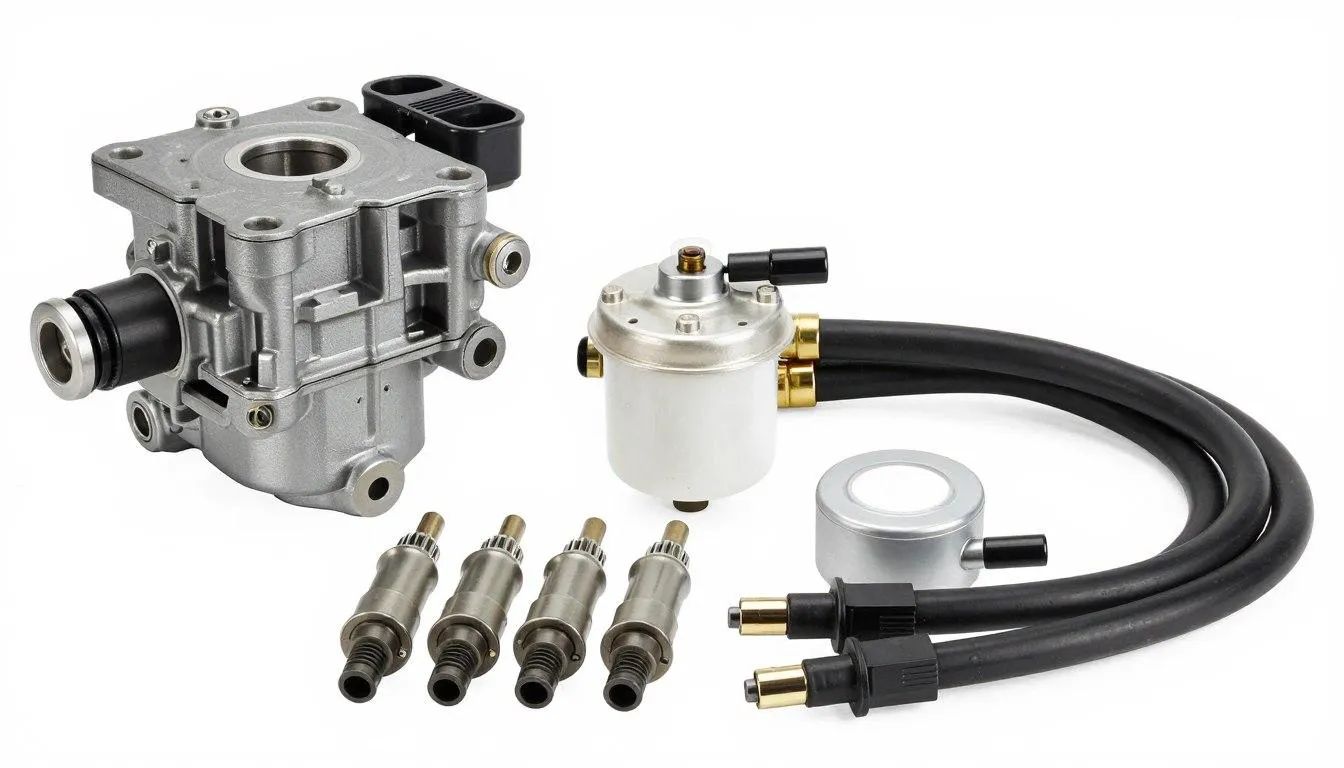
The fuel pump delivers consistent pressure to the engine. A failing fuel pump causes hesitation and poor performance. Test fuel pressure if you experience performance issues. Fuel filters trap contaminants before they reach injectors or carburetors.
Fuel lines deteriorate over time from exposure to fuel and heat. Inspect lines regularly for cracks, swelling, or leaks. Replace fuel lines and clamps as preventive maintenance. The fuel tank cap includes venting to prevent vacuum formation.
Carburetor Models
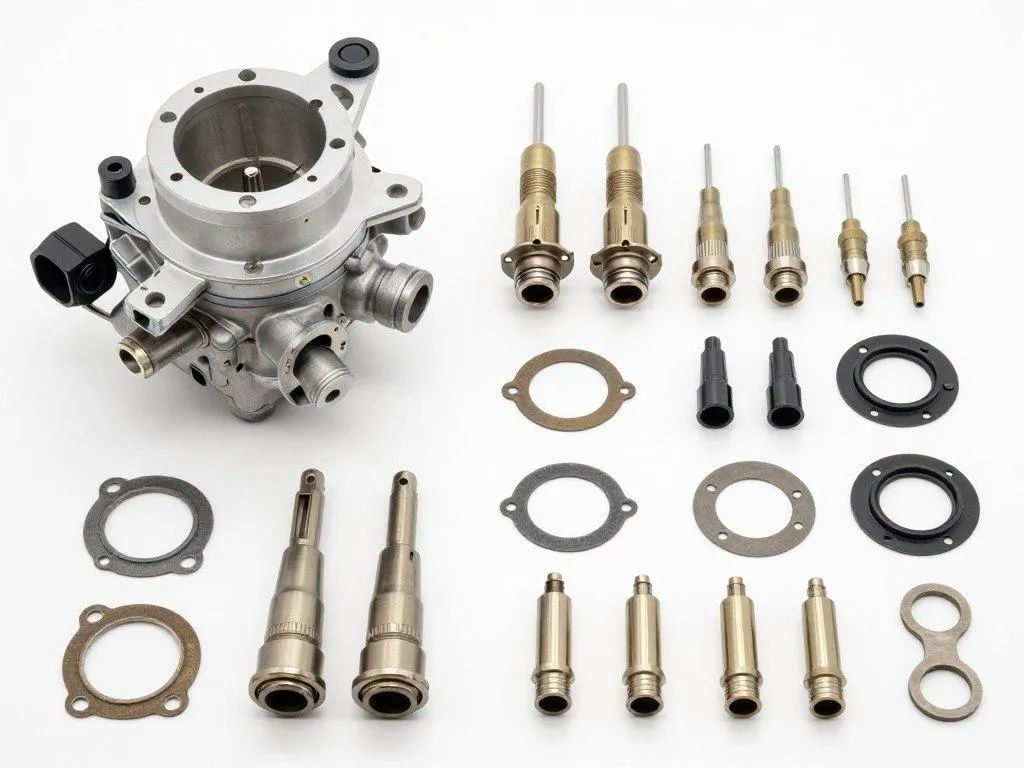
- Clean carburetors annually
- Synchronize for smooth running
- Replace rubber diaphragms when worn
- Use carburetor cleaning kit for maintenance
Fuel Injection Models
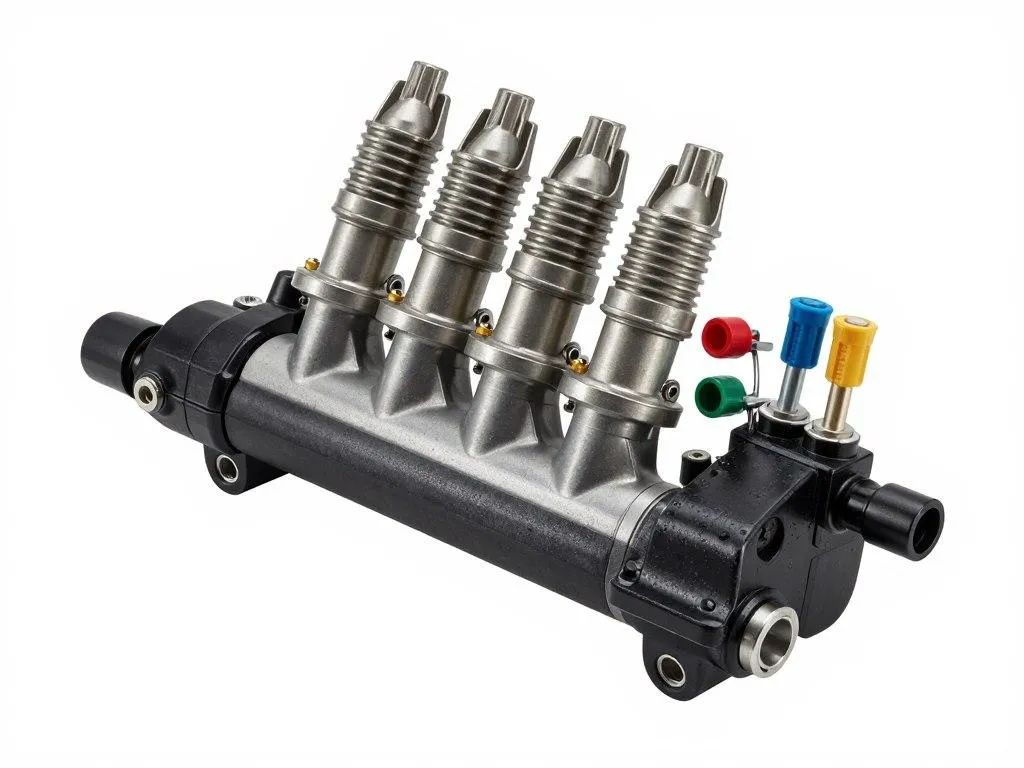
- Clean injectors every 15000 miles
- Replace fuel filter regularly
- Check fuel pressure specifications
- Inspect electrical connections
Ignition System Components
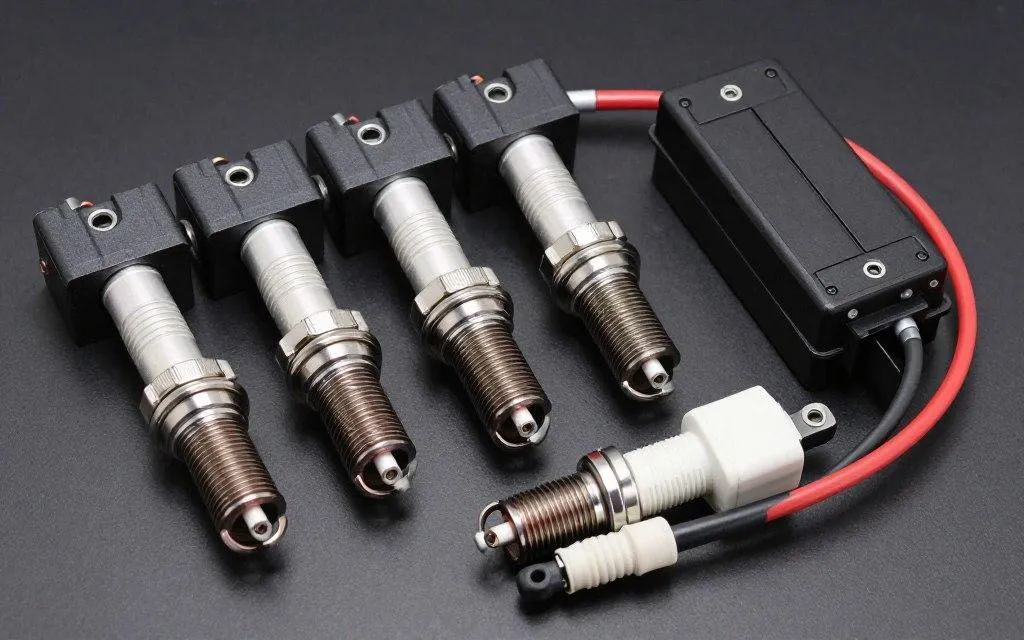
The ignition system delivers spark at precisely the right moment. Spark plugs should be replaced according to the maintenance schedule. Use the correct heat range for your riding conditions. Gap plugs to manufacturer specifications before installation.
Ignition coils convert battery voltage into high-voltage spark. Failed coils cause misfires and poor performance. Test coils with a multimeter if you experience ignition problems. The ignition pickup or crank position sensor tells the ECU when to fire.
The ignition control module processes sensor inputs and triggers coils. Modern modules rarely fail but can be damaged by electrical issues. Always check grounds and connections before replacing expensive electronic components.
Shop Genuine CBR900RR Engine Parts
Find OEM and performance engine components for your Honda CBR900RR. Australian stock available with fast shipping. Expert technical support for parts selection and compatibility.
Gaskets and Seals Kit
Engine gaskets and seals prevent oil and coolant leaks. A complete gasket kit includes all necessary seals for major engine work. Replace gaskets whenever you open the engine to prevent leaks. Never reuse gaskets or O-rings after disassembly.
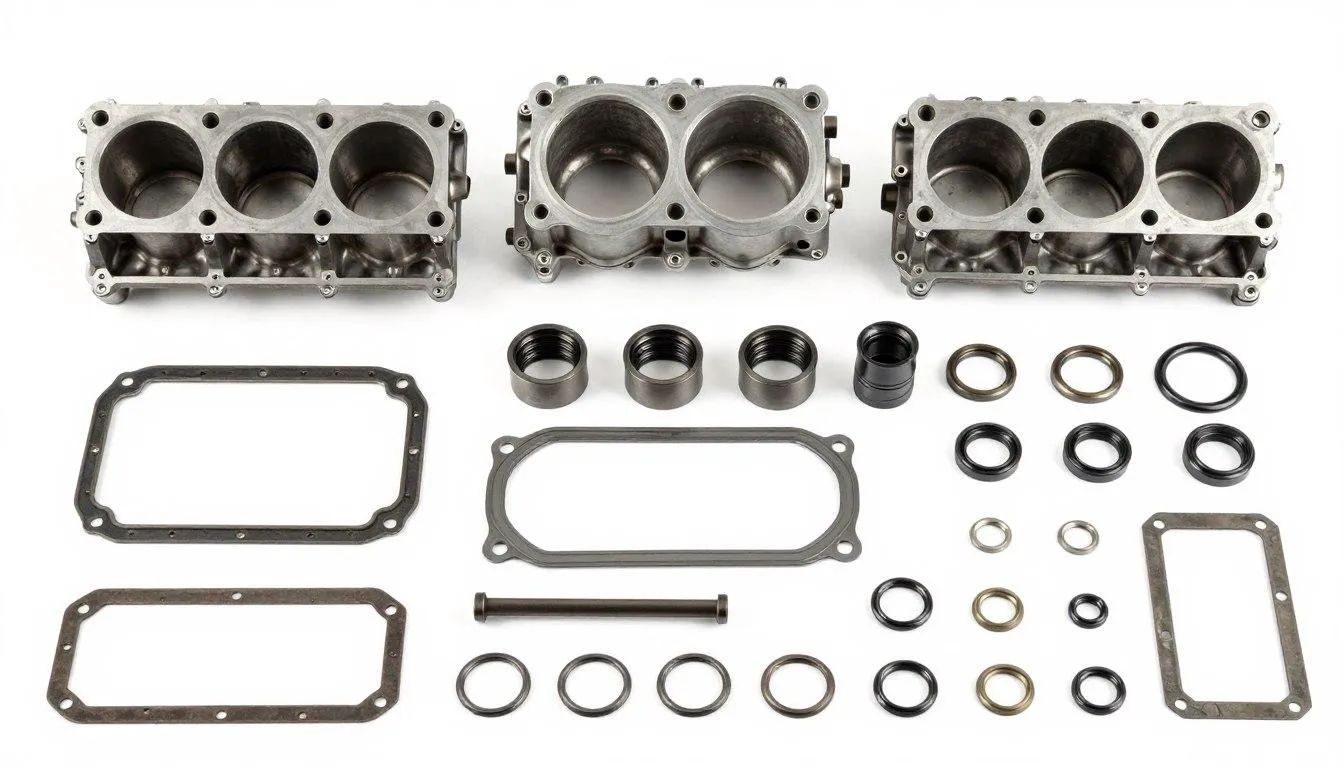
The valve cover gasket seals the top of the engine. Replace it if you notice oil seeping from the valve cover area. Timing cover seals prevent oil leaks from the front of the engine. Use genuine Honda gaskets for reliable sealing.
Water pump seals and O-rings prevent coolant leaks. Replace these during water pump service. The clutch cover gasket should be replaced when servicing the clutch. Keep a selection of common O-rings and seals in your parts inventory.
Cooling System Components and Parts
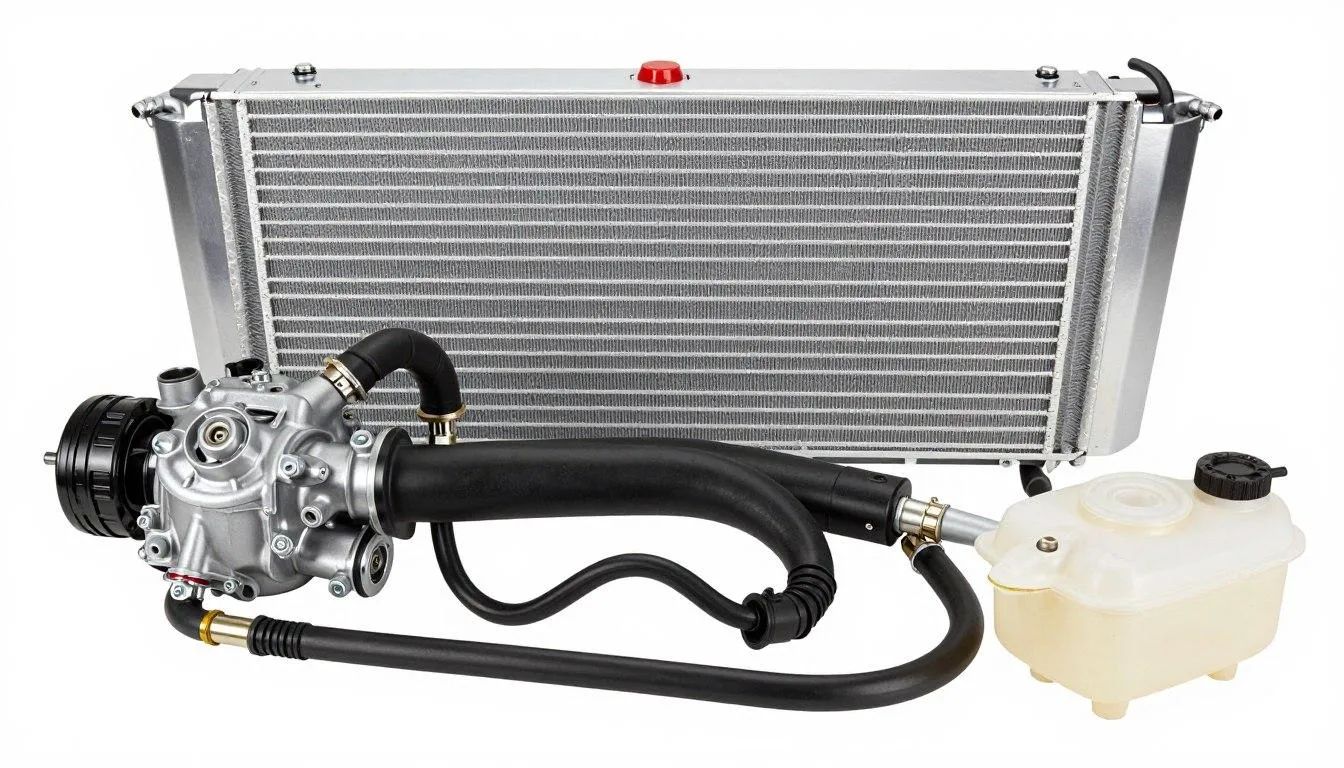
The cooling system maintains proper engine temperature. Radiator, hoses, water pump, and thermostat work together to dissipate heat. Regular cooling system maintenance prevents overheating and engine damage. Quality cooling parts ensure reliable temperature control.
Radiator and Cap Components
The radiator transfers engine heat to air flowing through fins. Aluminum radiators provide efficient cooling and light weight. Inspect radiator fins for damage and blockage. Clean radiator fins carefully to maintain cooling efficiency without damaging delicate aluminum.
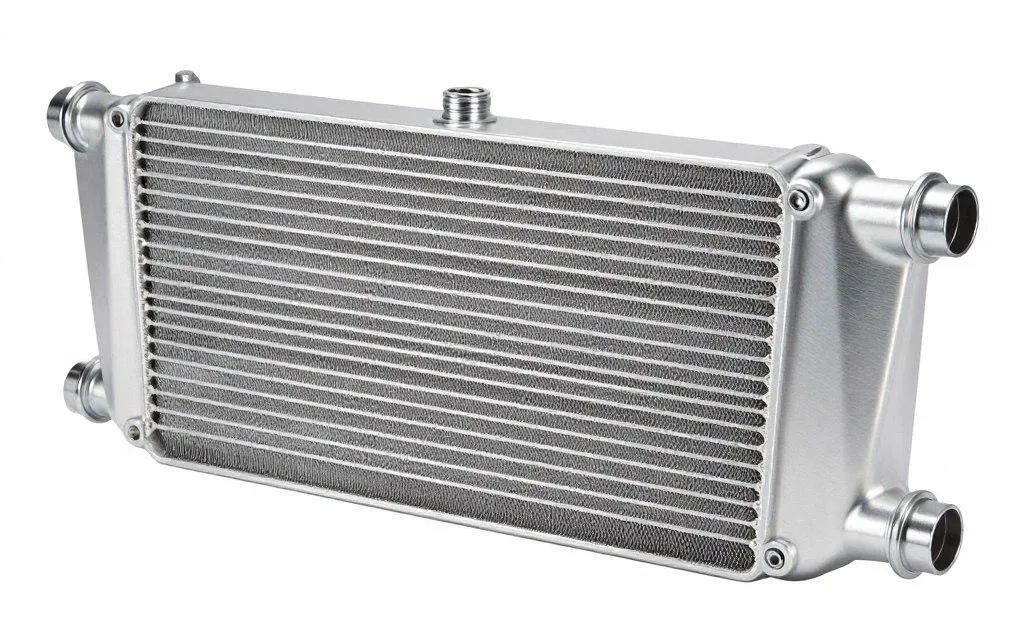
The radiator cap maintains system pressure and raises coolant boiling point. Pressure caps use spring-loaded valves to control pressure. Replace radiator caps every few years as preventive maintenance. Test cap pressure with a cooling system pressure tester.
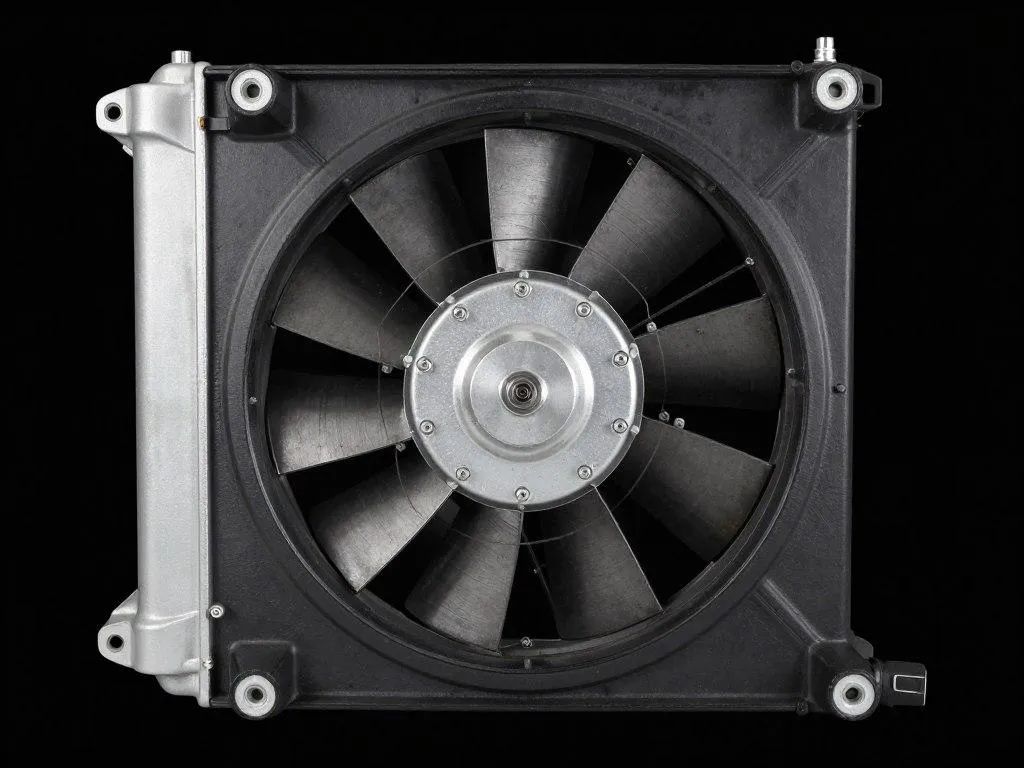
Radiator fan cools the radiator when the bike is stopped or moving slowly. The fan activates based on coolant temperature. Test fan operation by allowing the engine to reach normal temperature while stationary. Replace fan motors that fail to activate or make abnormal noise.
Hoses and Thermostat Parts
Coolant hoses connect engine components to the radiator. Rubber hoses deteriorate from heat and age. Inspect hoses for cracks, soft spots, and swelling. Replace questionable hoses before they fail and cause coolant loss.
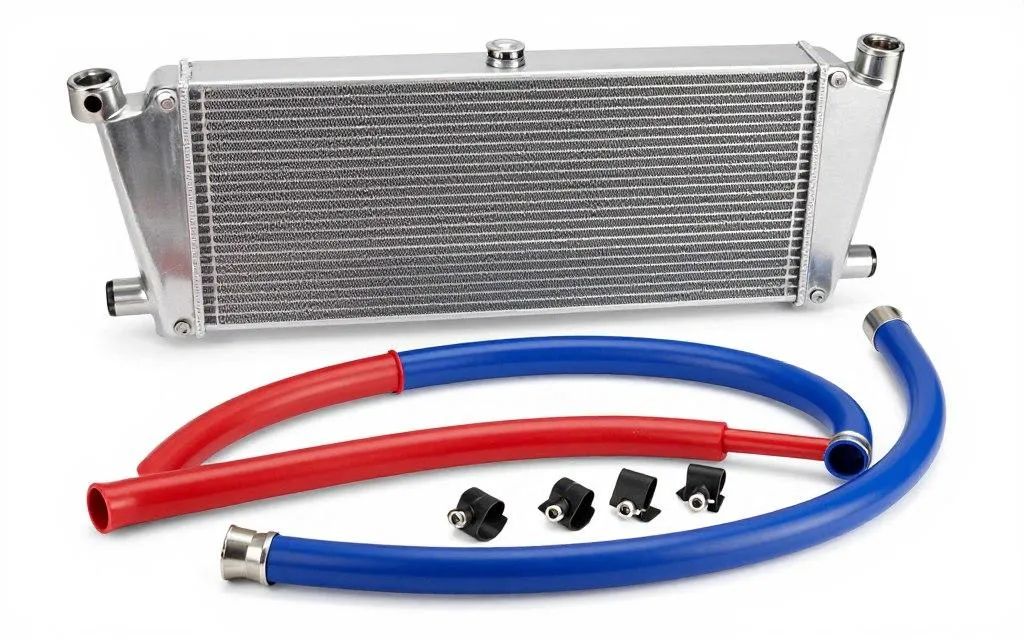
Silicone hoses offer superior heat resistance compared to rubber. Racing hoses use reinforced silicone for durability. While expensive, silicone hoses last much longer than rubber. Use quality hose clamps to prevent leaks at connections.
The thermostat regulates coolant flow to maintain operating temperature. A stuck thermostat causes overheating or slow warm-up. Replace thermostats during major cooling system service. Test new thermostats in hot water before installation to verify operation.
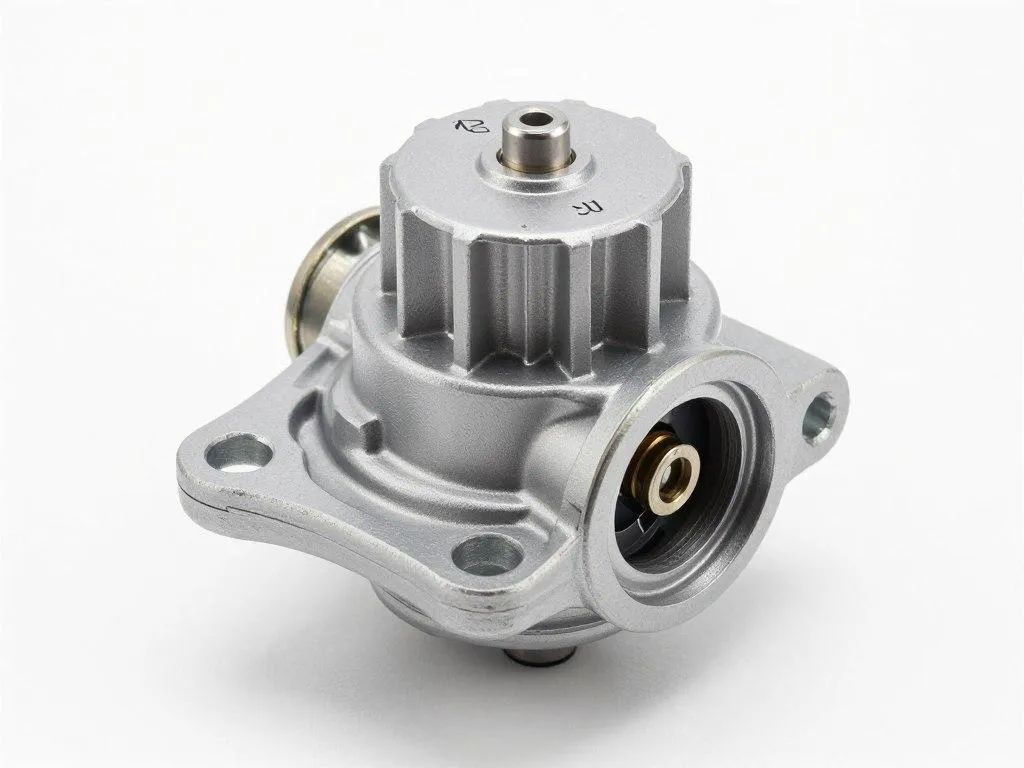
Water Pump and Coolant
The water pump circulates coolant through the engine and radiator. Pump seals prevent coolant leaks. Weeping from the weep hole indicates failing seals. Replace water pump seals during major engine service or when leaks appear.
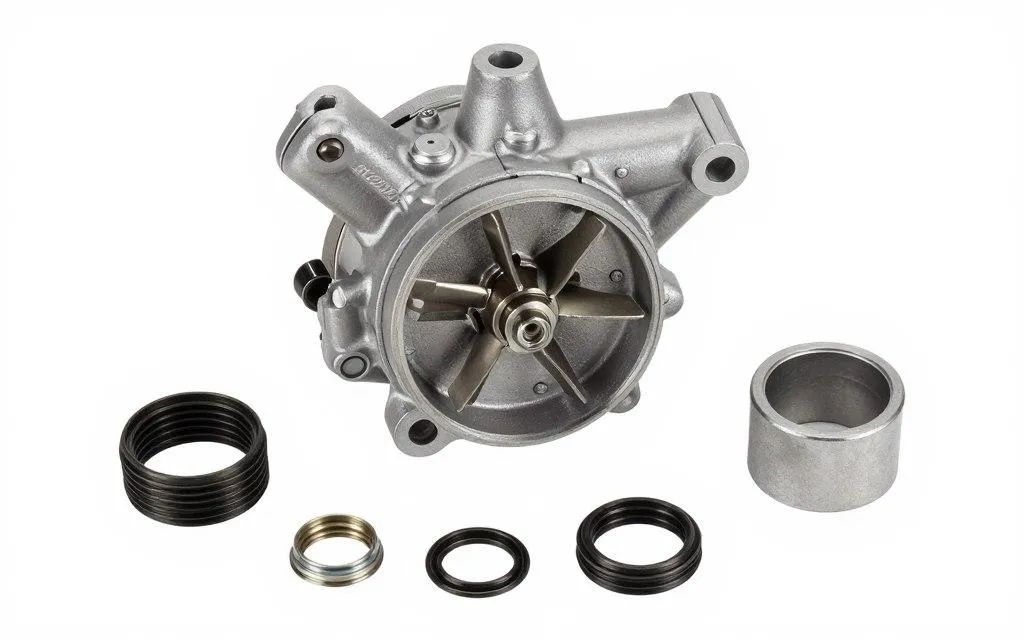
Water pump impellers rarely fail but can corrode or lose blades. Inspect impeller during pump service. Replace damaged impellers to maintain proper coolant flow. Use coolant instead of water to prevent corrosion and freezing.
Engine coolant contains corrosion inhibitors and raises boiling point. Use premixed coolant for convenience or mix concentrate with distilled water. Never use tap water which contains minerals that cause deposits. Flush cooling system every two years and refill with fresh coolant.
Exhaust System Parts and Performance Upgrades
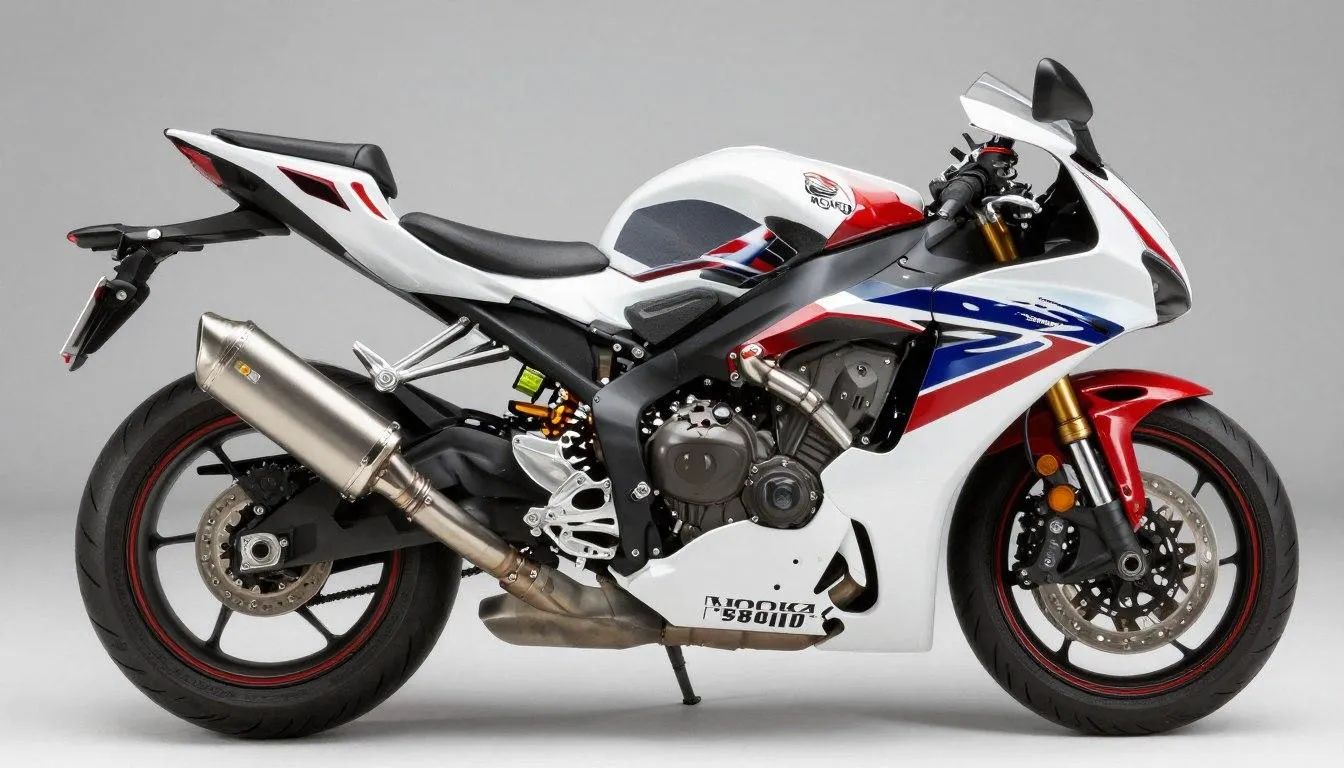
The exhaust system removes combustion gases and affects engine performance. Stock exhausts balance noise control with performance. Aftermarket exhausts offer weight savings, increased power, and enhanced sound. Choose exhaust parts based on your performance needs and local noise regulations.
Mufflers and Slip-On Exhausts
Slip-on mufflers replace the stock muffler while retaining factory headers. They offer easy installation and moderate performance gains. Slip-ons reduce weight and improve exhaust flow. Sound levels vary from subtle to race-loud depending on muffler design.
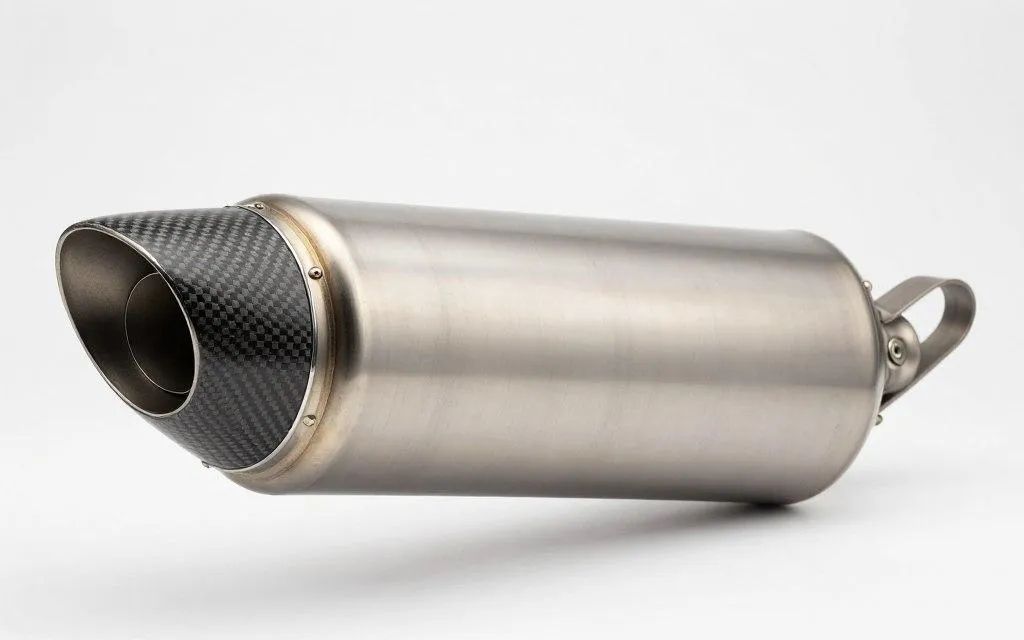
Materials affect muffler performance and durability. Stainless steel mufflers resist corrosion and last longest. Titanium mufflers offer maximum weight savings but cost more. Carbon fiber mufflers provide exotic appearance but require careful handling.
Muffler baffles control sound levels and back pressure. Removable baffles allow sound customization. Removing baffles increases noise and may affect performance. Check local noise ordinances before running without baffles on the street.
Full Exhaust Systems
Complete exhaust systems replace headers, mid-pipe, and muffler. They offer maximum performance gains through improved flow and reduced weight. Full systems require fuel mapping adjustments for optimal performance. Professional dyno tuning maximizes power from exhaust upgrades.
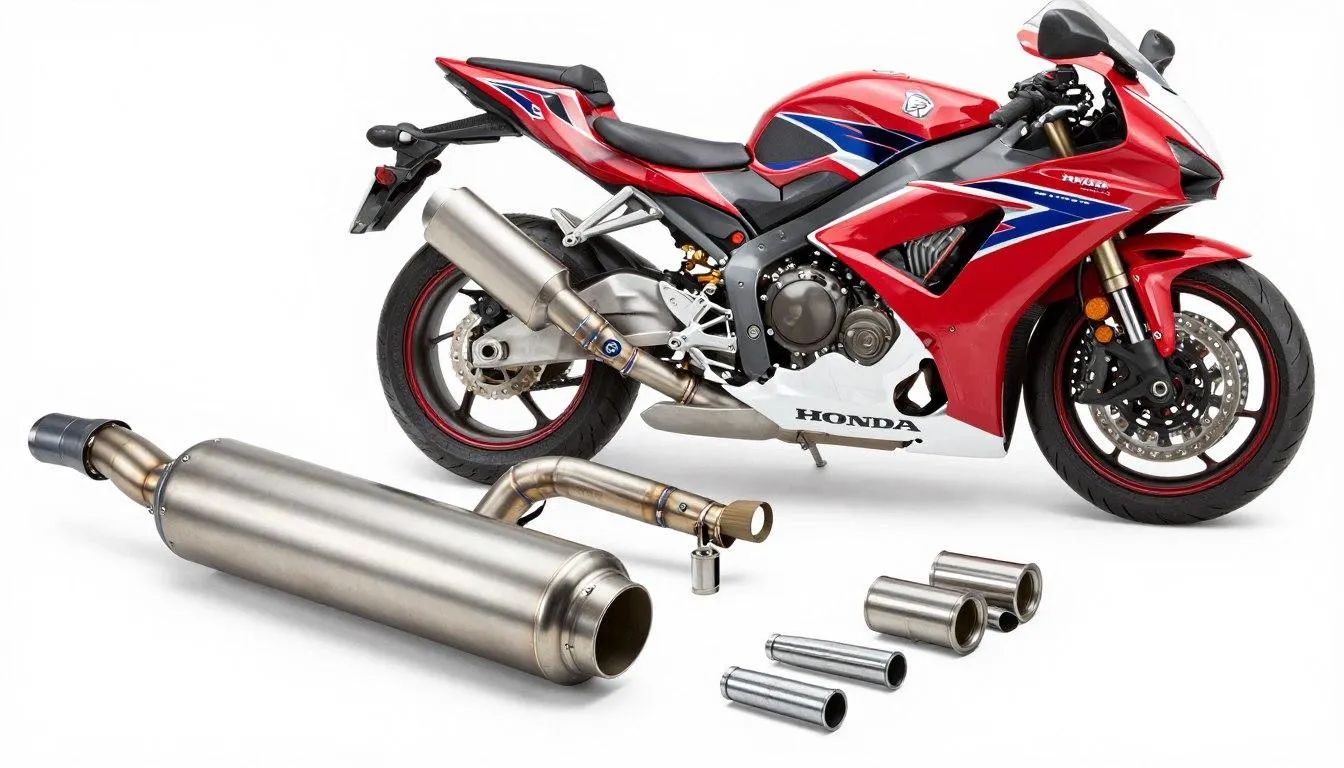
Four-into-one collector designs merge exhaust pulses for top-end power. Four-into-two systems balance mid-range and peak power. Collector design affects power delivery characteristics. Choose exhaust design matching your riding style and performance goals.
Installation requires mechanical skills and proper tools. Exhaust gaskets must be replaced during installation. Torque header bolts to specification in correct sequence. Allow exhaust components to cool completely before attempting removal or adjustment.
Stock Exhaust Benefits
- Meets noise regulations
- Proven reliability
- No tuning required
- Included with purchase
- Moderate weight
Aftermarket Exhaust Advantages
- Reduced weight saves 5-10kg
- Increased horsepower
- Enhanced exhaust note
- Improved ground clearance
- Racing appearance
Exhaust Gaskets and Hardware
Exhaust gaskets seal header connections to prevent leaks. Copper gaskets conform to mating surfaces. Replace exhaust gaskets when removing headers. Reusing old gaskets causes exhaust leaks and poor sealing.
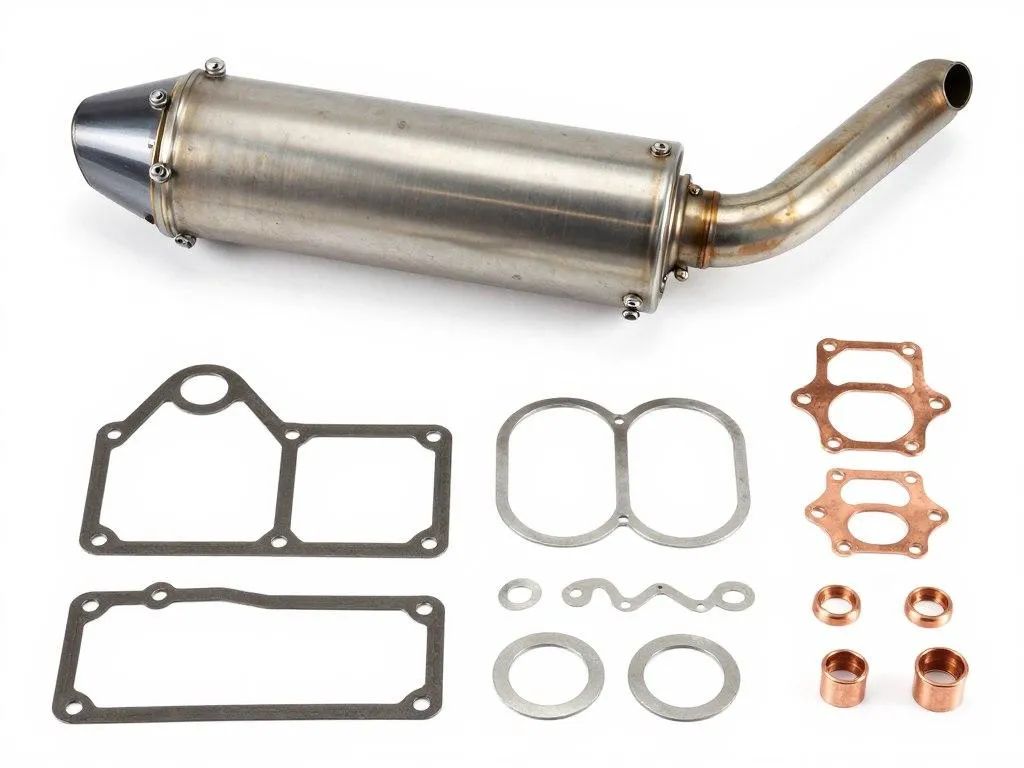
Exhaust springs hold header pipes to the engine. Springs allow thermal expansion without leaking. Replace worn or damaged springs to maintain proper header retention. Use spring hooks designed for exhaust work to prevent injury during installation.
Exhaust mounting brackets support the system and prevent excessive vibration. Rubber isolation mounts reduce transmitted vibration. Inspect mounts for deterioration and cracks. Replace damaged mounts to prevent exhaust movement and potential damage.