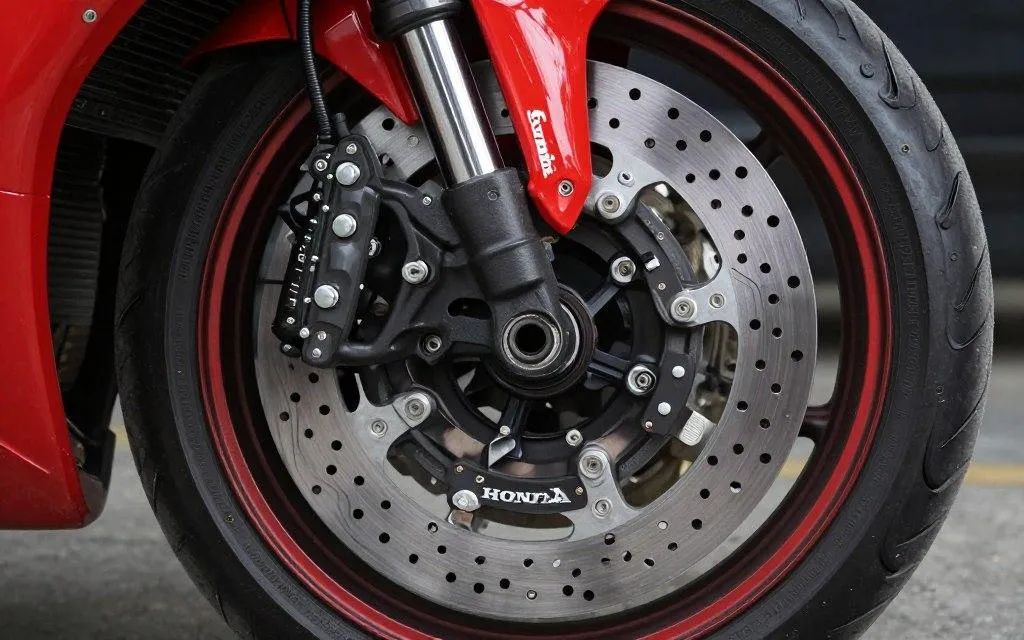
Honda CBR900RR Brake, Suspension and Wheel Parts
Effective braking is critical for safety on the CBR900RR. The brake system includes front and rear calipers, master cylinders, brake pads, rotors, and hydraulic lines. Regular inspection and maintenance of brake parts ensures consistent stopping power.
Brake System Parts and Upgrades for CBR900RR
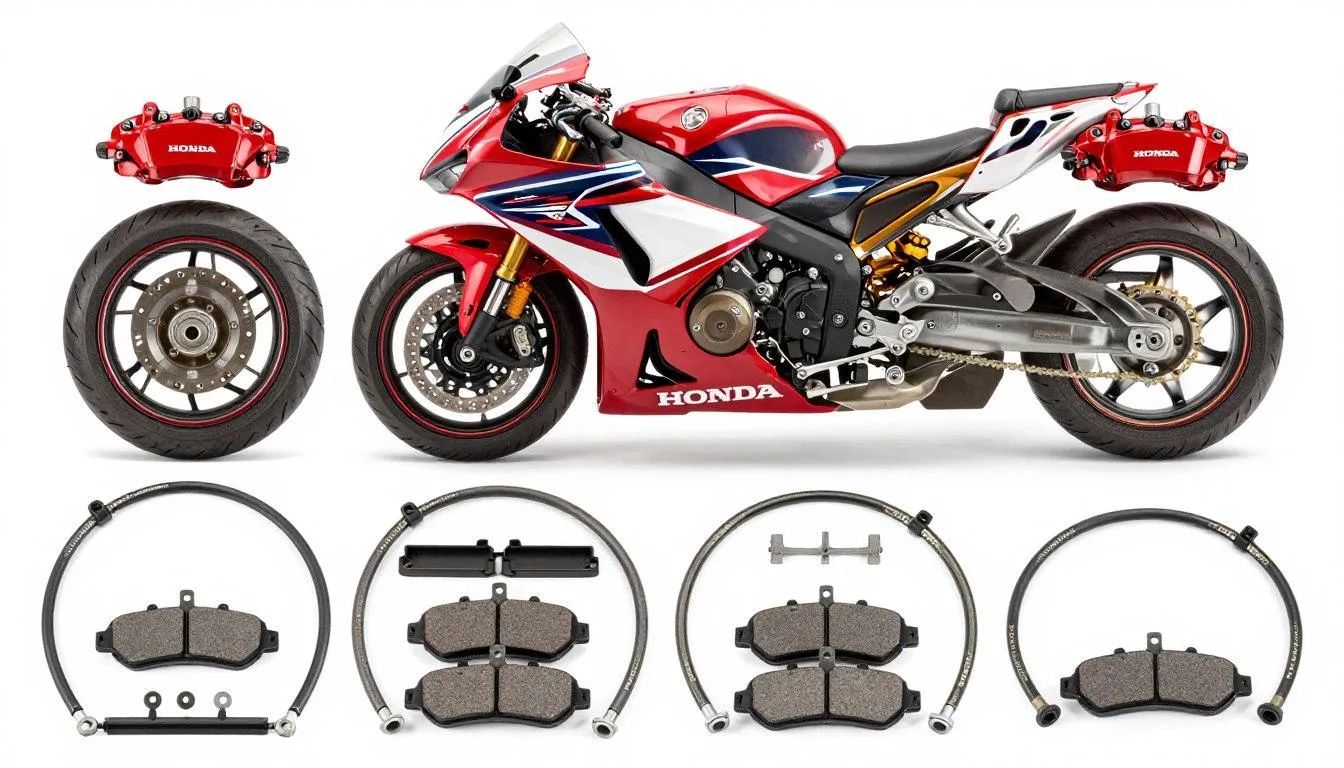
Brake Pads and Rotors
Brake pads are consumable items that require regular replacement. Inspect pad thickness at every service interval. Replace pads when material reaches the minimum thickness indicator. Never let pads wear to the metal backing plate.
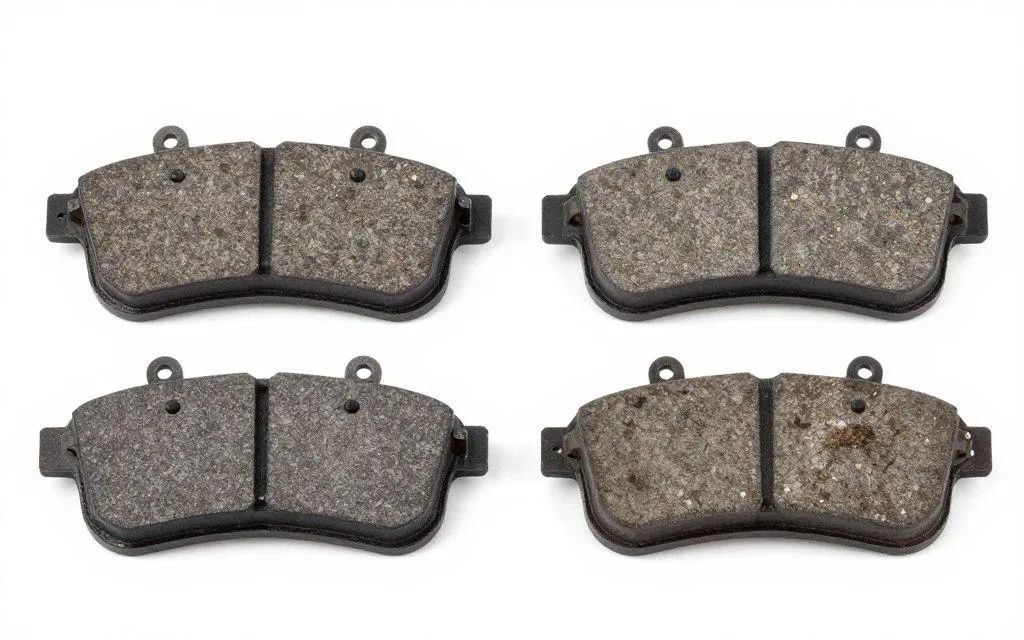
Organic pads offer good feel and low rotor wear. Sintered metal pads provide better performance in wet conditions and last longer. Racing pads require higher temperatures to work effectively. Choose pads based on your riding style and conditions.
Brake rotors should be measured for thickness and inspected for warping. Minimum thickness specifications are stamped on the rotor. Replace rotors that are below minimum thickness or severely warped. Floating rotors use buttons that can wear and require inspection.
Master Cylinder and Brake Lines
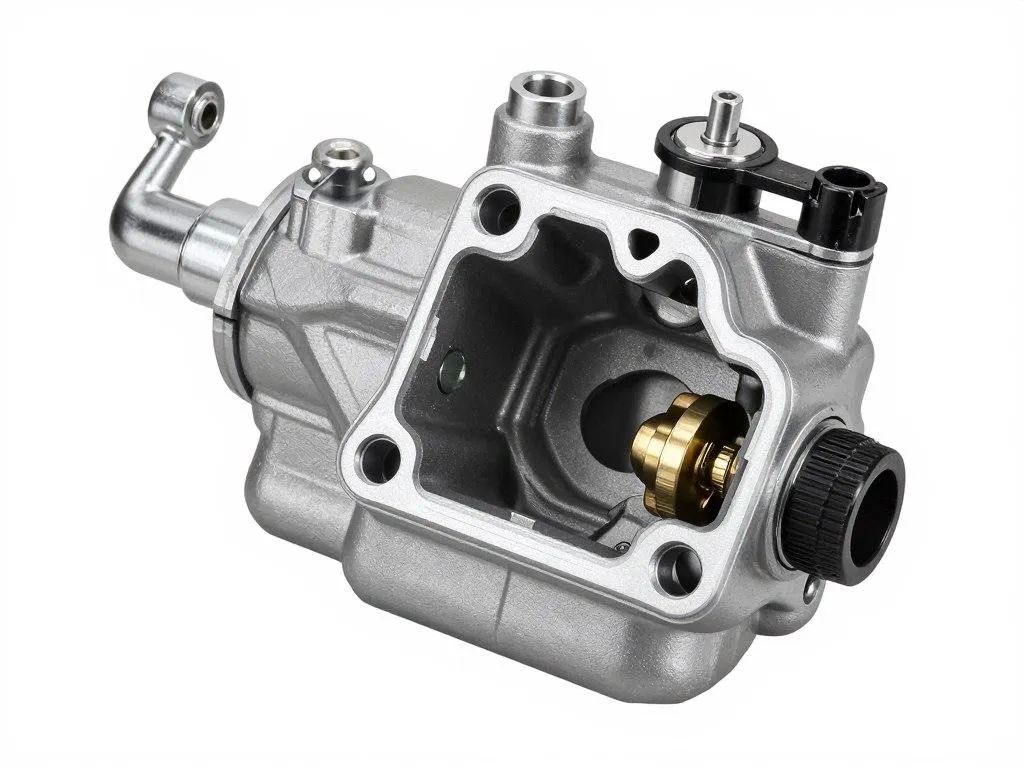
The master cylinder converts lever or pedal pressure into hydraulic force. Internal seals wear over time and cause spongy brake feel. Rebuild kits include all necessary seals and cups. Rebuilding the master cylinder restores proper brake operation.
Replace brake fluid every two years regardless of appearance. Old fluid absorbs moisture and reduces boiling point. DOT 4 brake fluid is recommended for most riding. DOT 5.1 offers higher boiling points for racing applications.
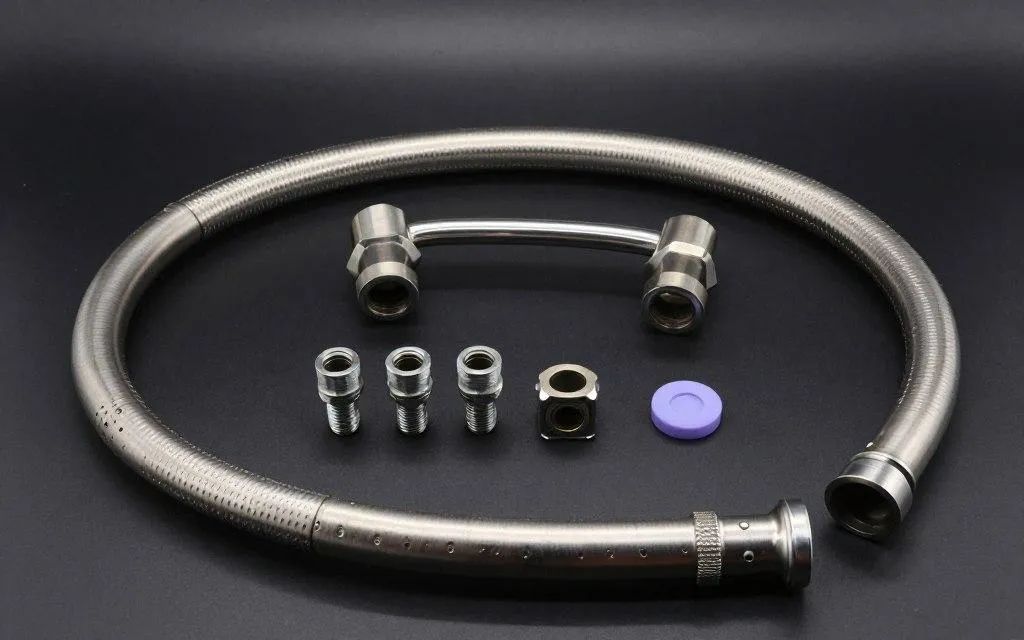
Stainless steel braided brake lines improve brake feel over rubber lines. They resist expansion under pressure for firmer lever feel. Replace rubber brake lines every four years as preventive maintenance. Check lines for cracks, bulging, or damage regularly.
Brake Calipers and Hardware
Brake calipers house the pistons that push pads against rotors. Caliper pistons can seize from corrosion or contamination. Clean and lubricate caliper slide pins during pad replacement. Rebuild or replace calipers if pistons are stuck or damaged.
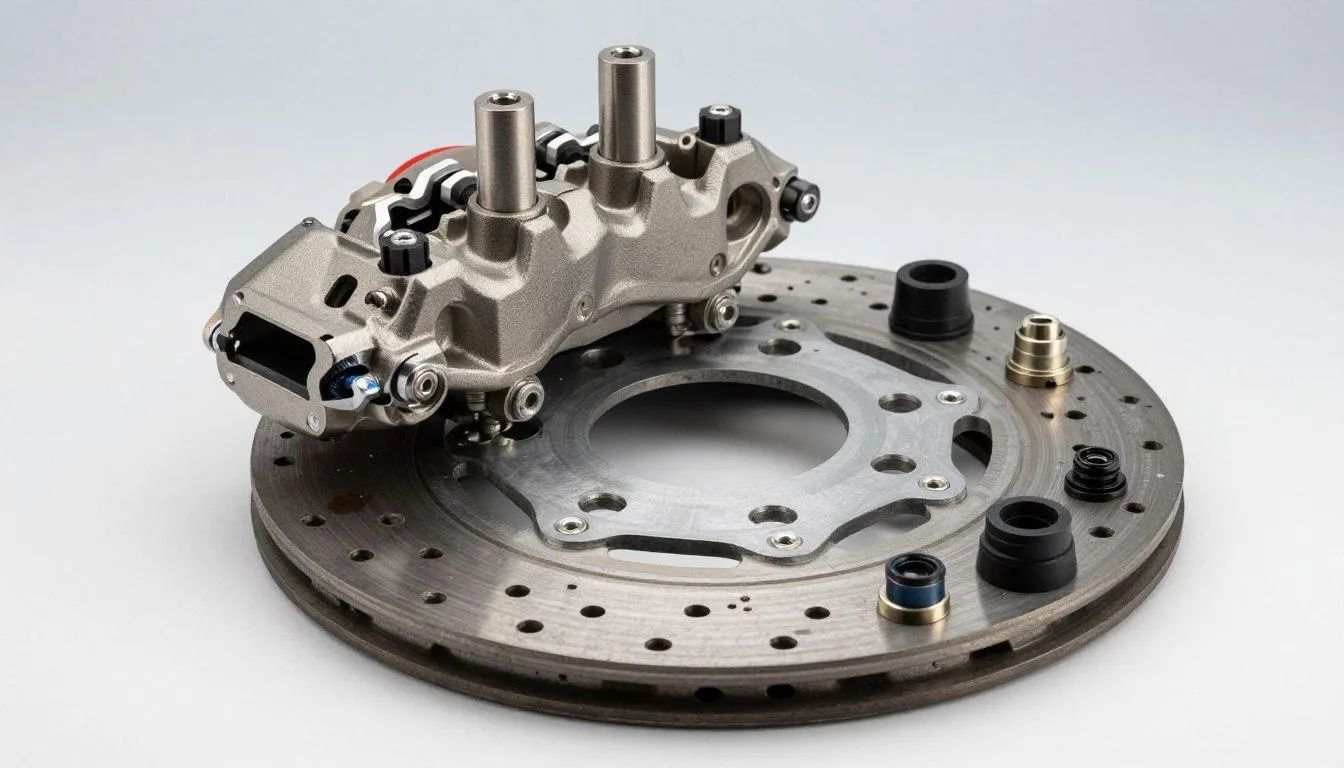
Caliper rebuild kits include seals, dust boots, and sometimes pistons. Rebuilding calipers is more economical than replacement. Use proper brake fluid to lubricate seals during assembly. Bleed brakes thoroughly after any hydraulic work.
Caliper mounting bolts should be torqued to specification. Use thread locker on mounting bolts to prevent loosening. Replace crush washers on banjo bolts every time you disconnect brake lines. Proper hardware prevents brake system failures.
Upgrade Your CBR900RR Brake System
Premium brake components from leading manufacturers. Choose from OEM replacements or performance upgrades. All parts tested for CBR900RR compatibility. Australian warranty and support included.
Rear Brake Components
The rear brake provides additional stopping power and stability. The rear master cylinder operates similarly to the front but uses pedal actuation. Rebuild the rear master cylinder when you service the front for consistent brake feel.
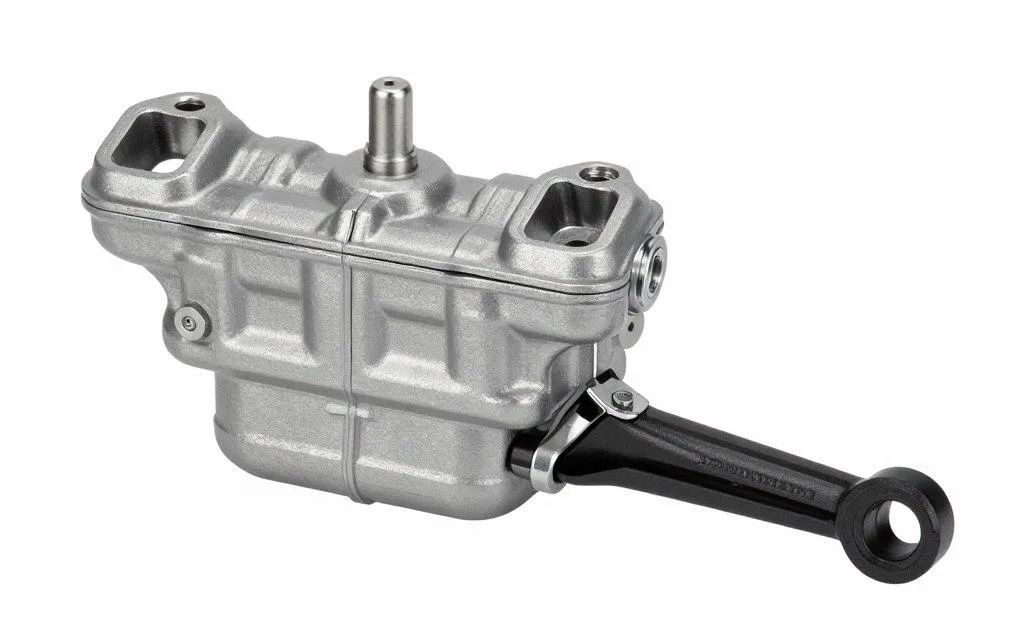
Rear brake pads typically last longer than front pads due to less aggressive use. Inspect rear pads regularly as part of routine maintenance. The rear caliper mounts to the swingarm and uses a single or dual-piston design depending on model year.
Rear brake linkage connects the pedal to the master cylinder. Lubricate linkage pivot points to maintain smooth operation. Adjust rear brake pedal height for comfortable reach. Proper adjustment improves control and reduces fatigue during riding.
Suspension Parts and Fork Components for CBR900RR
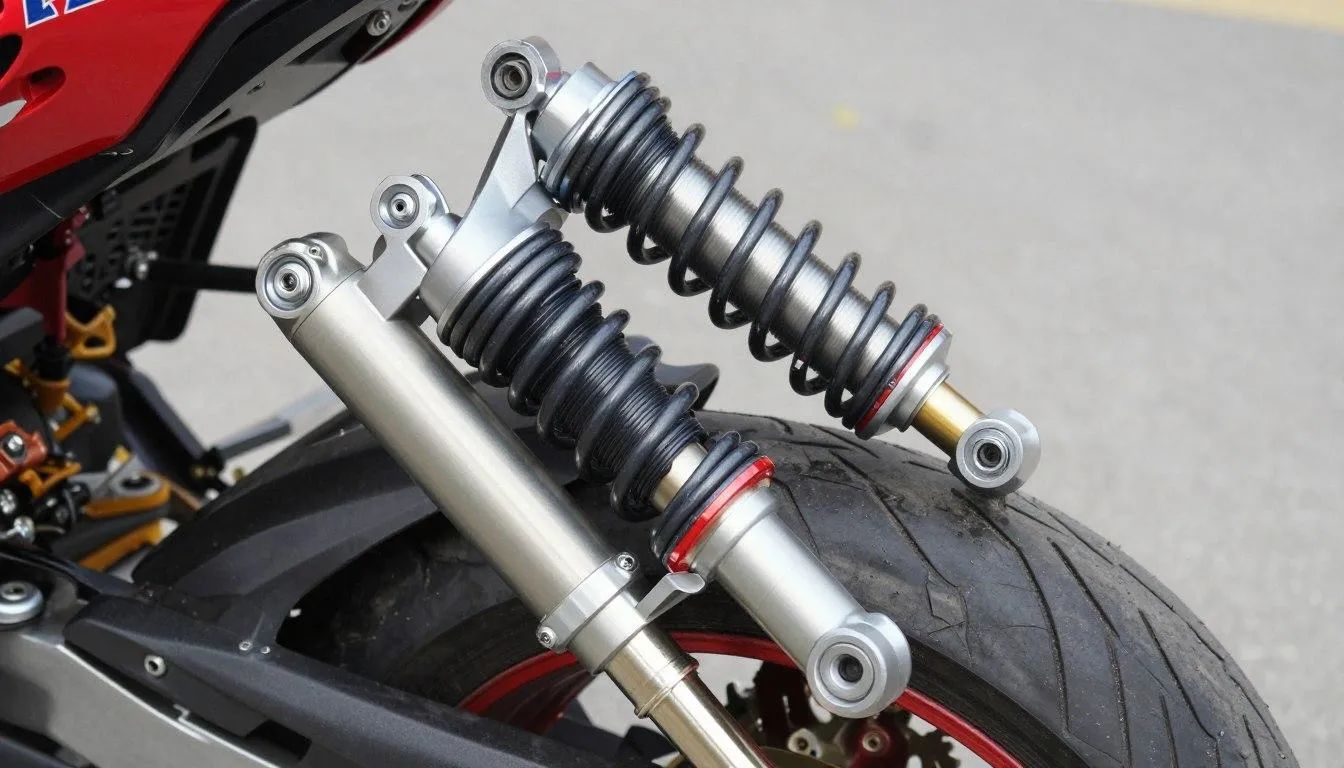
Quality suspension parts ensure your CBR900RR handles properly and provides a comfortable ride. The suspension system includes front forks, rear shock, and associated hardware. Regular maintenance and timely parts replacement keep your bike performing at its best.
Front Fork Components
Front forks contain oil that dampens suspension movement. Fork oil breaks down over time and loses viscosity. Change fork oil every 10000 miles or annually for optimal damping performance. Use the correct fork oil weight for your riding style.
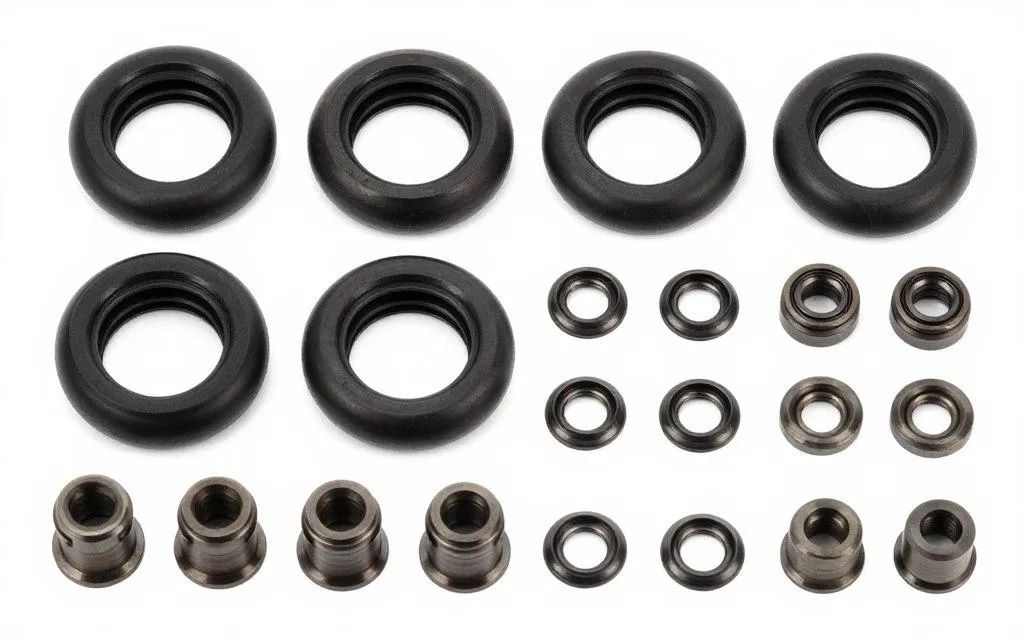
Fork seals prevent oil leaks and keep contaminants out. Leaking fork seals cause reduced damping and oil on brake rotors. Replace fork seals at first sign of leakage. Dust seals protect oil seals from dirt and should be replaced with oil seals.
Fork bushings guide the fork tubes and prevent metal-to-metal contact. Worn bushings cause excessive play and poor handling. Replace bushings when you service fork seals. Proper bushing fit is critical for smooth fork action.
Fork Upgrades and Tuning
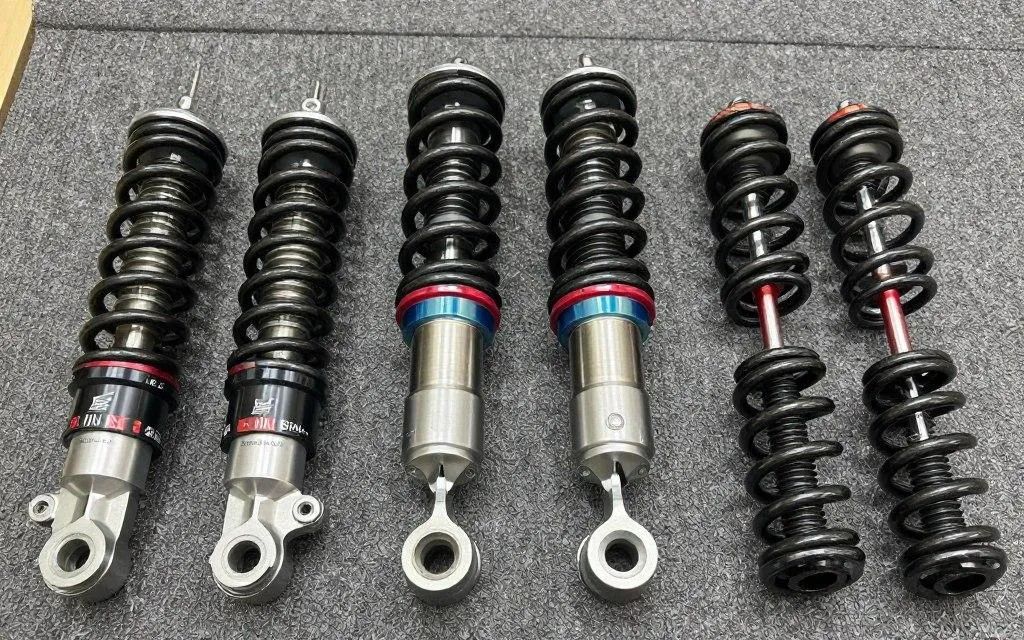
Aftermarket fork springs improve handling for different rider weights. Progressive rate springs offer comfort and control. Calculate correct spring rates based on rider weight and riding style. Incorrect spring rates compromise handling and comfort.
Fork cartridge kits replace stock damping systems with adjustable cartridges. They provide precise damping control and improved performance. Installation requires fork disassembly and technical knowledge. Professional installation ensures proper function and safety.
Stock Fork Maintenance
- Change fork oil annually
- Replace seals when leaking
- Inspect fork tubes for damage
- Clean dust seals regularly
- Check fork alignment
Performance Fork Upgrades
- Upgraded fork springs for weight
- Adjustable damping cartridges
- Fork brace for rigidity
- Gold valve kits for tuning
- Heavier fork oil for racing
Rear Shock Absorber Parts
The rear shock controls rear wheel movement and supports the rider. Stock shocks provide adequate performance for street riding. Aftermarket shocks offer adjustability and improved damping for spirited riding or track use.
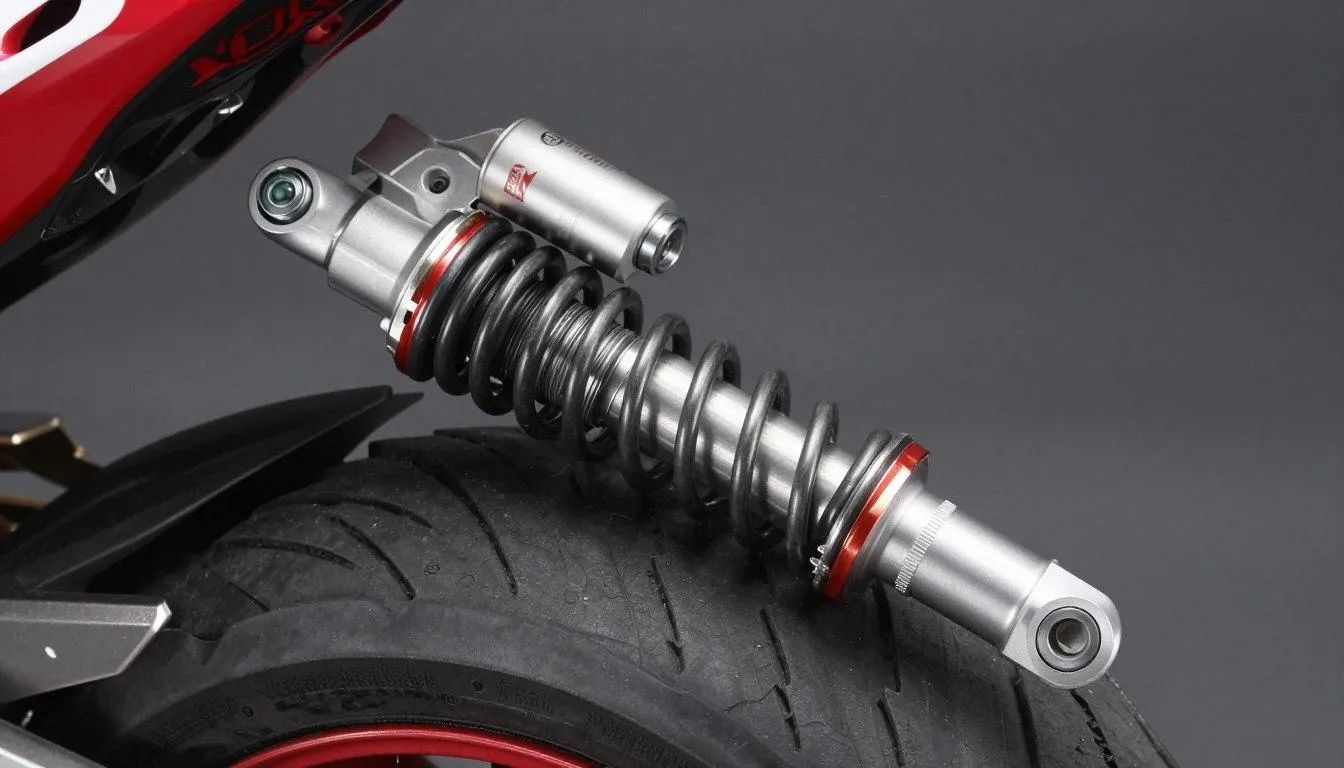
Shock absorber oil breaks down from heat cycles and age. Some shocks can be serviced with new oil and seals. Many modern shocks are sealed units that require complete replacement. Check shock operation during routine inspections.
Shock springs support the bike's weight and control compression. Spring preload adjustment changes ride height and sag. Measure static and race sag to verify correct spring rate. Replace springs if sagged or damaged from bottoming out.
Swingarm Bearings and Linkage
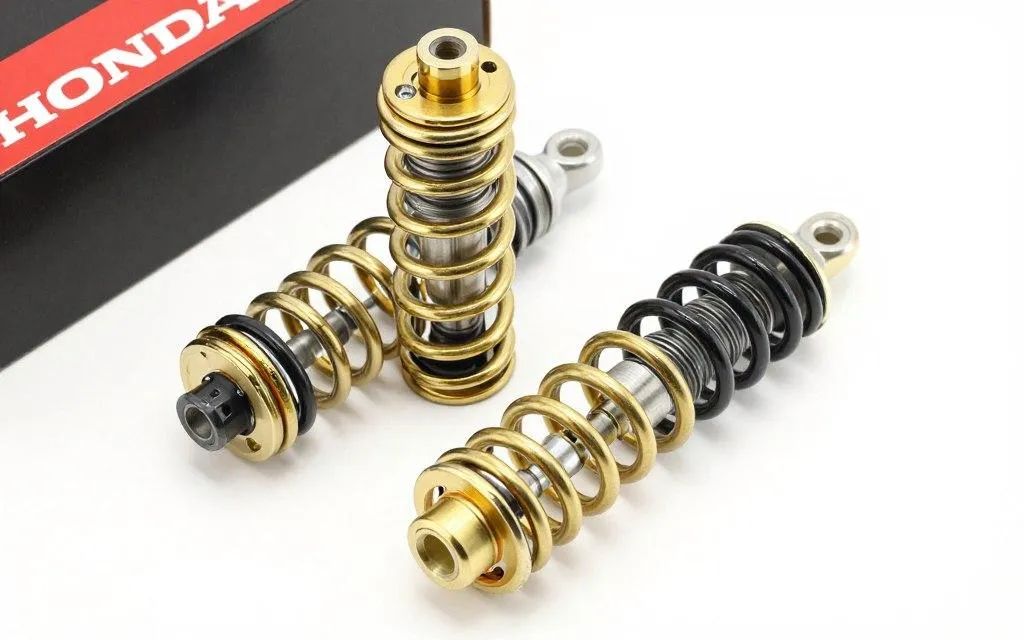
Swingarm pivot bearings allow the swingarm to move smoothly. Worn bearings cause play and poor handling. Inspect swingarm bearings annually by checking for side-to-side movement. Replace bearings if you detect any play or roughness.
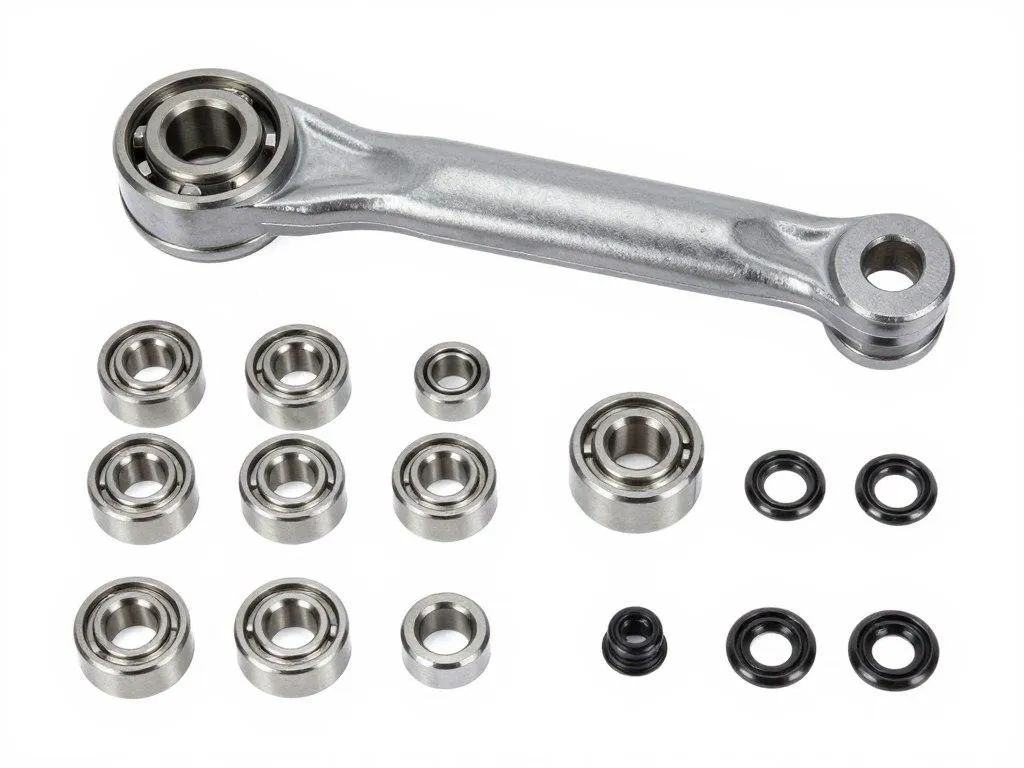
Rear suspension linkage connects the shock to the swingarm. Linkage bearings require regular greasing to prevent wear. Disassemble and grease linkage bearings every 10000 miles. Replace worn linkage bearings to restore proper suspension action.
The swingarm itself rarely fails but should be inspected for cracks. Check welds and high-stress areas for damage. Paint chips expose aluminum to corrosion. Touch up paint damage to protect the swingarm from corrosion and weakening.
Wheel Components and Tire Related Parts
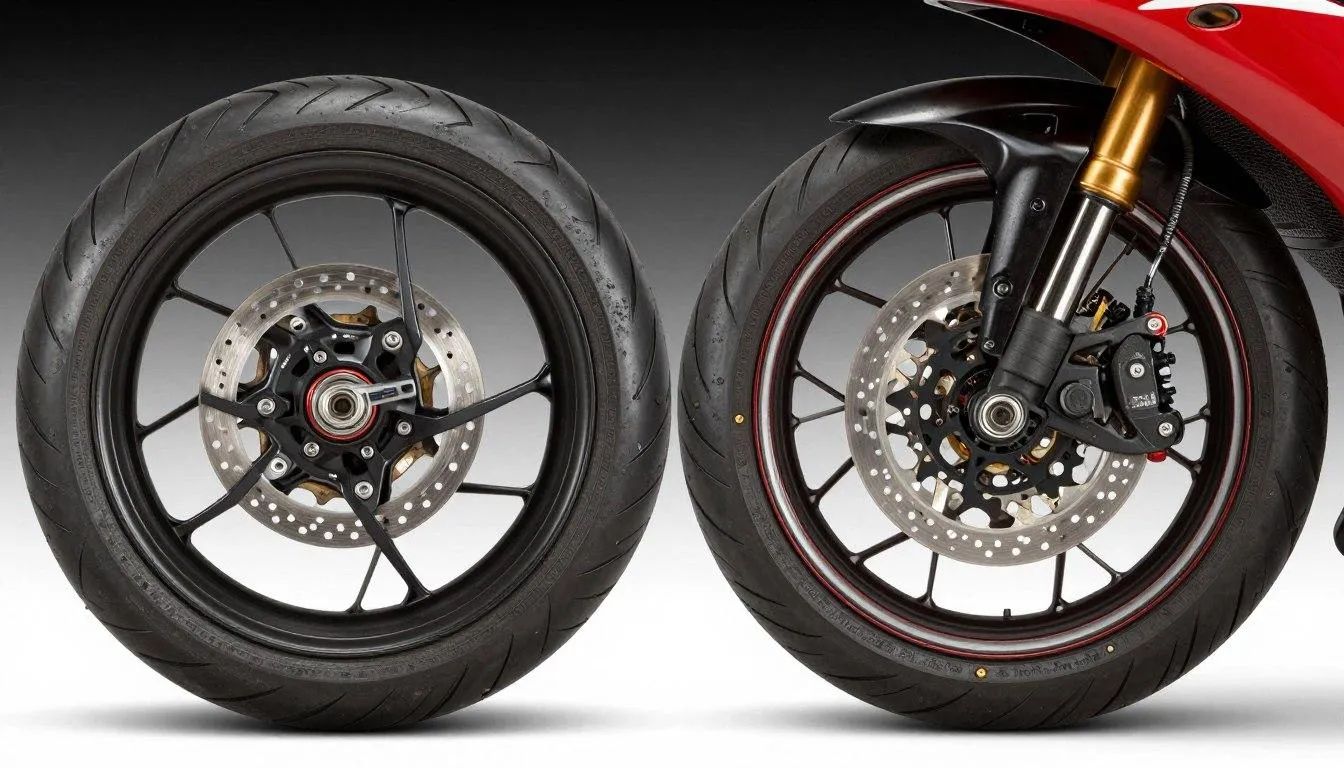
Wheels and tires connect your CBR900RR to the road. Wheel components include bearings, spacers, and mounting hardware. Regular inspection prevents failures that could lead to accidents. Quality wheel parts ensure safe and reliable operation.
Wheel Bearings and Seals
Wheel bearings support the wheel and allow smooth rotation. Sealed bearings protect against contamination and require no maintenance. Failed bearings cause wheel wobble and noise. Replace wheel bearings at first sign of roughness or play.
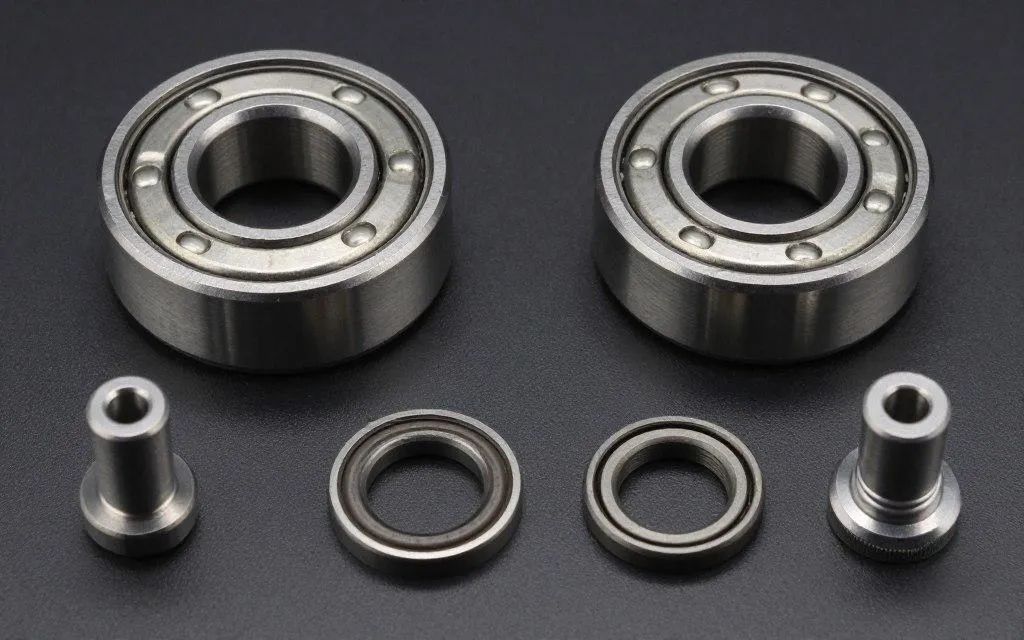
Front wheel bearings typically last 20000-30000 miles with proper care. Rear wheel bearings endure more stress from drive forces. Inspect bearings during tire changes. Spin wheels to check for roughness or binding that indicates worn bearings.
Wheel bearing seals keep grease in and water out. Damaged seals allow contamination and cause premature bearing failure. Replace seals when installing new bearings. Press bearings and seals squarely to prevent damage during installation.
Sprockets and Drive Chain Parts
The drive chain transfers power from the engine to the rear wheel. Chain wear affects performance and safety. Measure chain stretch regularly and replace when beyond specification. A worn chain damages sprockets and reduces efficiency.
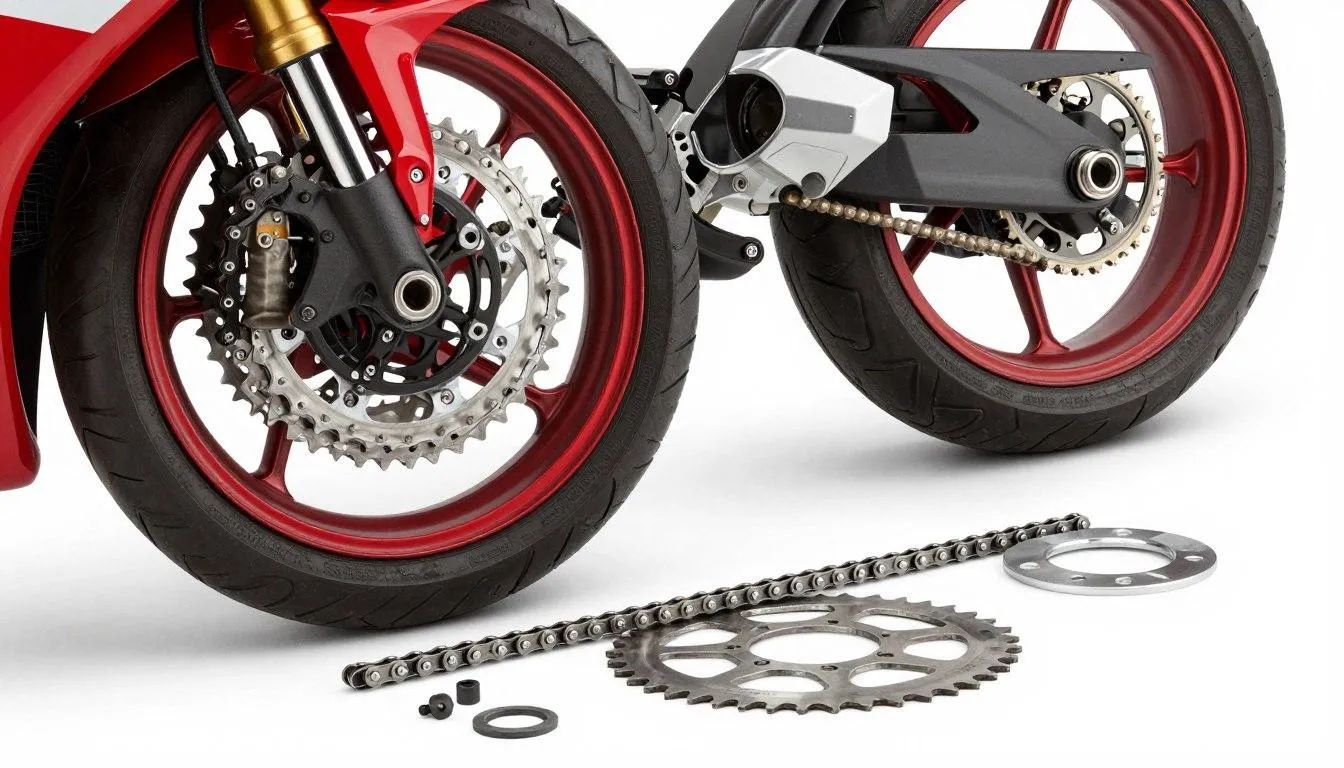
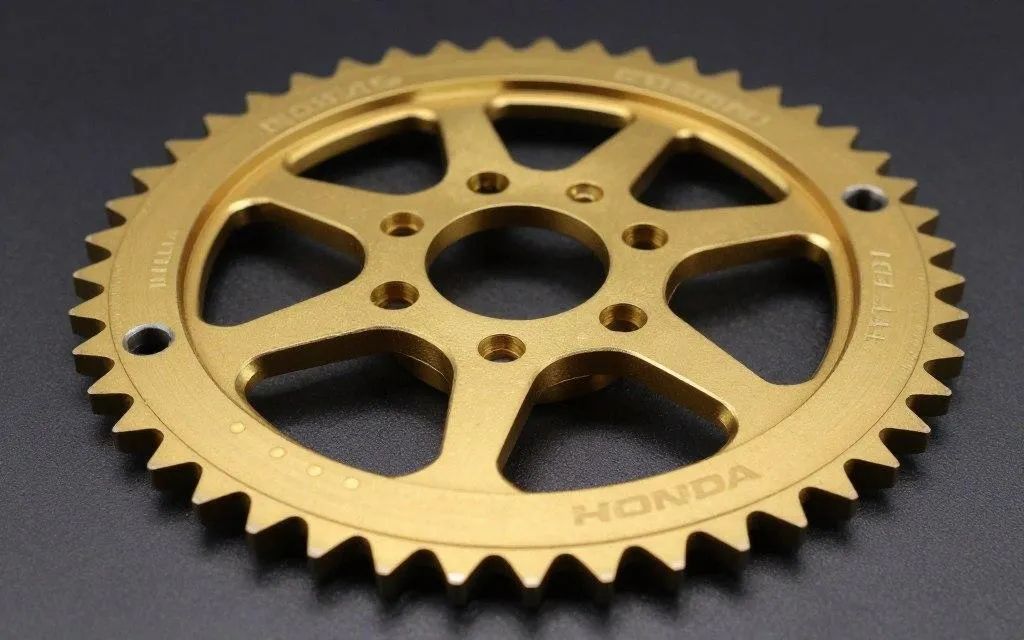
The front sprocket mounts to the transmission output shaft. Front sprockets wear faster than rear sprockets due to higher rotational speed. Inspect the front sprocket through the case inspection cover. Replace sprockets when teeth show hooking or wear.
Rear sprockets bolt to the rear wheel or sprocket carrier. Steel sprockets offer durability. Aluminum sprockets reduce weight but wear faster. Racing applications benefit from lightweight aluminum sprockets despite shorter life.
Tire Valve Stems and Accessories
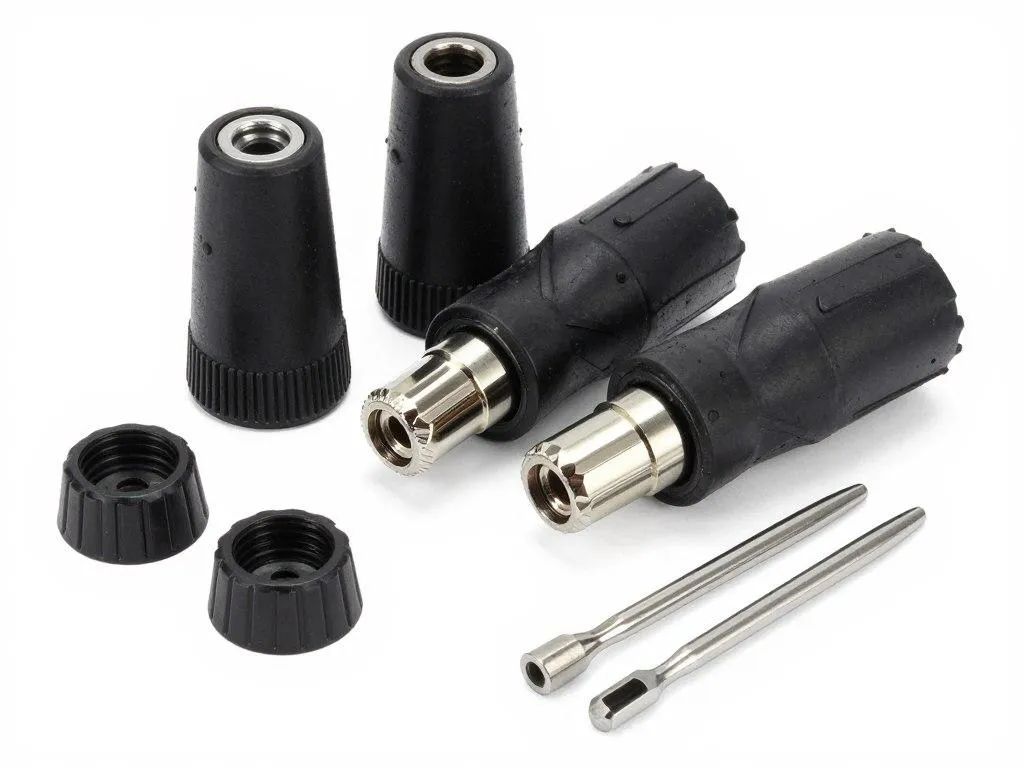
Tire valve stems allow inflation and pressure monitoring. Standard rubber valve stems work for street use. Metal valve stems provide durability for high-speed riding. Replace valve stems during tire changes to prevent air leaks.
Tire pressure monitoring is critical for safety and performance. Check tire pressure before every ride. Cold tire pressure should match manufacturer recommendations. Adjust pressure for load, temperature, and riding conditions.
Wheel weights balance the tire and wheel assembly. Proper balancing prevents vibration and extends tire life. Rebalance wheels when installing new tires. Clip-on or adhesive weights attach to the wheel rim for balancing.
Australian CBR900RR Parts Specialists
Your trusted source for genuine Honda parts and quality aftermarket components. We stock everything from routine maintenance items to performance upgrades. Fast Australia-wide shipping and expert technical support.
Call: 1300 XXX XXX