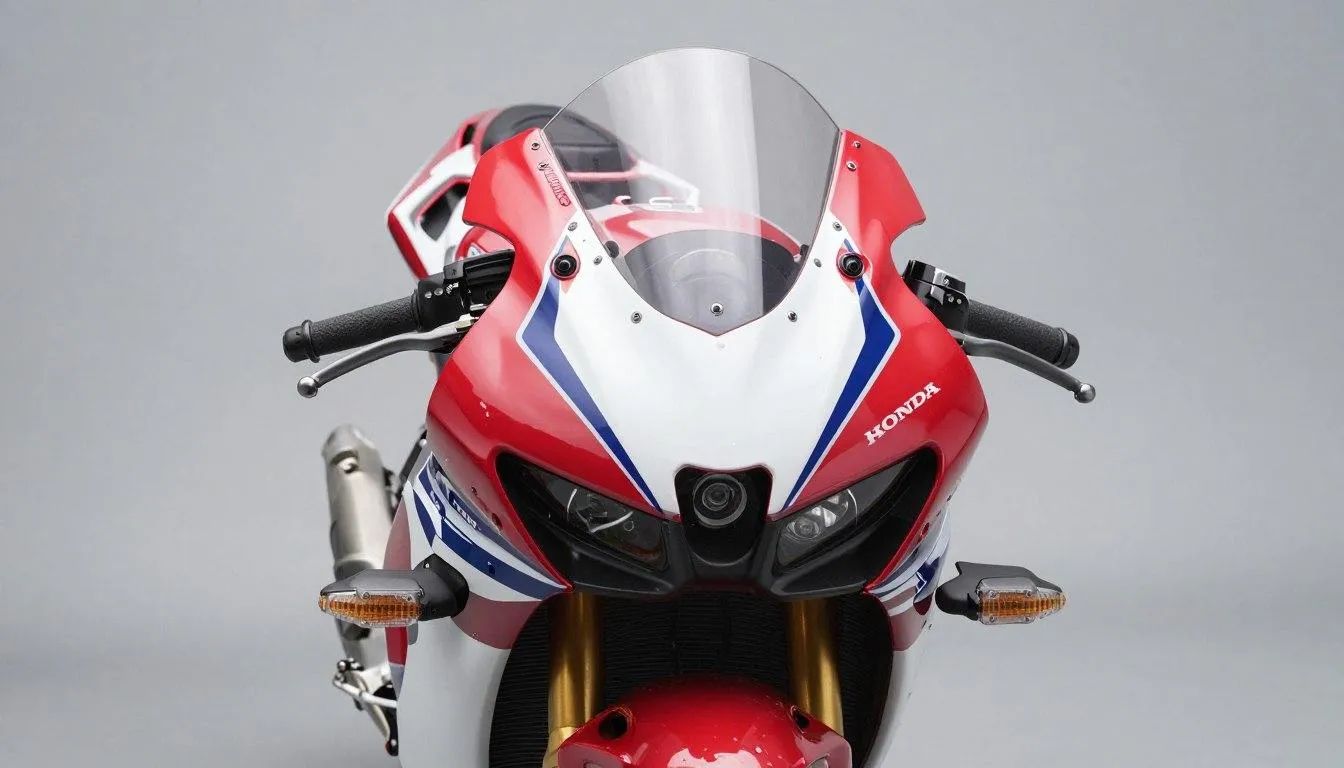
Honda CBR900RR Bodywork, Electrical and Control Parts
CBR900RR bodywork protects mechanical components and defines the bike's appearance. Fairings include front cowl, side panels, tail section, and fenders. Replacement bodywork restores appearance after damage or allows custom color schemes.
Bodywork and Fairing Parts for CBR900RR
Fairing Panels and Mounting Hardware
Factory fairings use high-quality ABS plastic for durability and finish. Aftermarket fairings range from budget options to race-quality pieces. Consider your needs when selecting replacement fairings. Track use requires less expensive fairings due to crash risk.
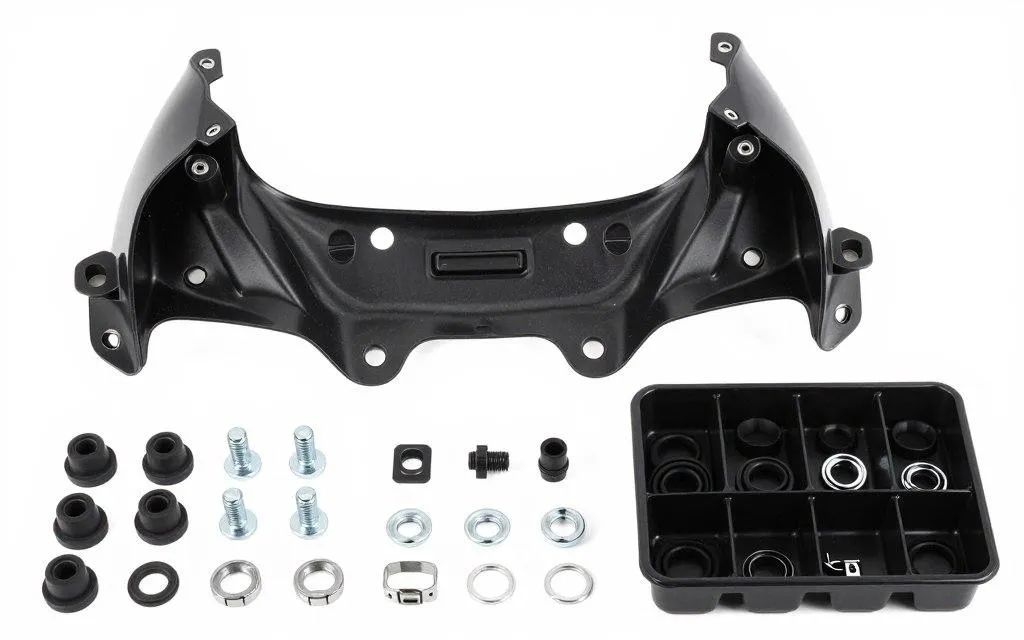
Fairing mounting points use rubber grommets to reduce vibration. Missing or damaged grommets cause fairing rattle and cracks. Replace all grommets when installing new fairings. Proper mounting prevents stress cracks and breakage.
Fairing stay brackets support the upper fairing. Bent or damaged stays cause improper fairing fit. Inspect stays after any front-end impact. Replace damaged stays before installing new fairings to ensure proper alignment and fit.
OEM Fairing Advantages
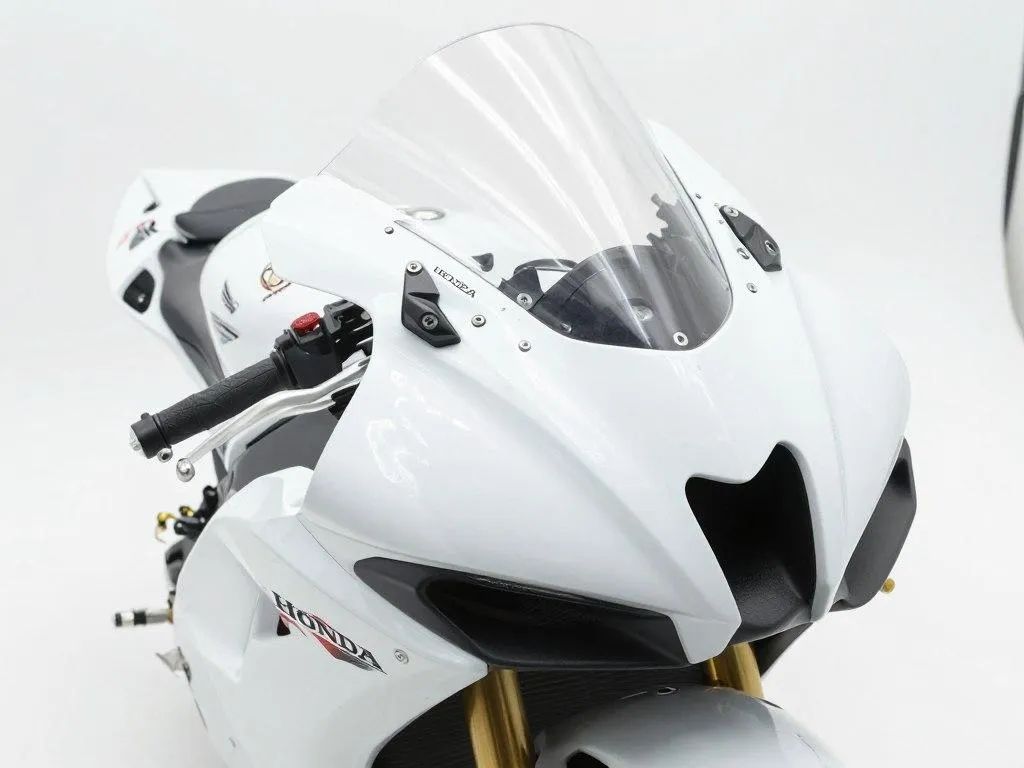
- Perfect fit and finish
- Factory color match
- Thicker ABS material
- Honda logos included
- Higher resale value
Aftermarket Fairing Options
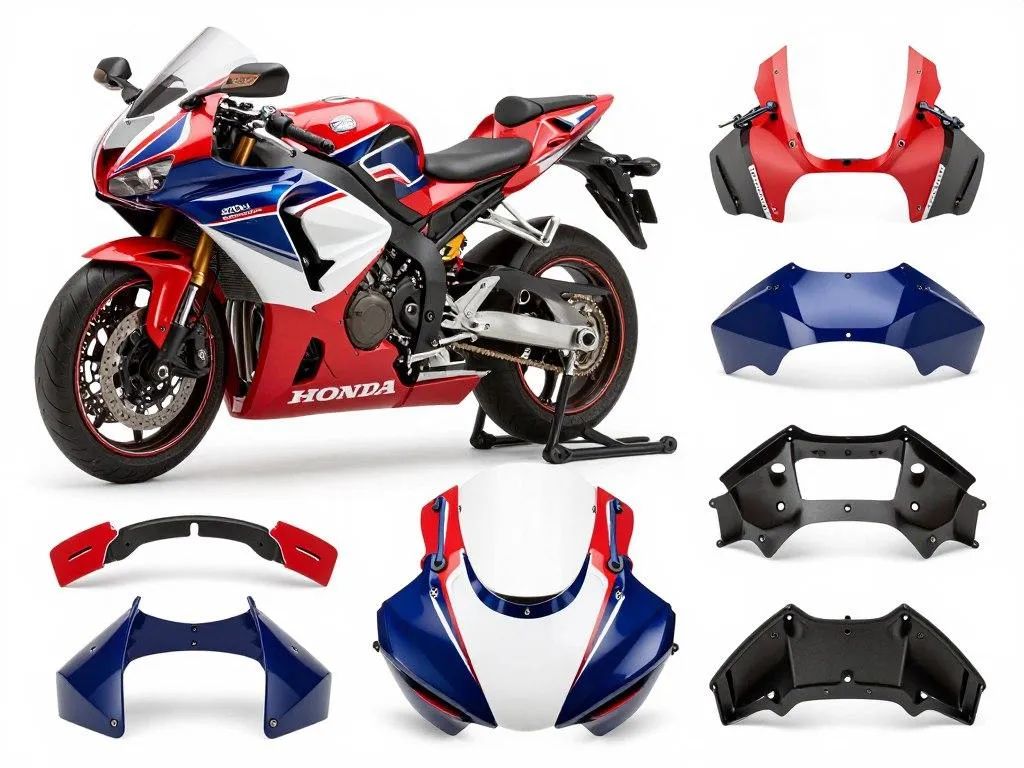
- Lower cost alternative
- Custom color options
- Race-specific designs
- Pre-drilled for racing
- Quick replacement for track bikes
Windscreen and Deflector Parts
The windscreen protects riders from wind and debris. Factory windscreens balance protection and appearance. Aftermarket screens offer different heights for improved wind protection or reduced buffeting. Double-bubble designs reduce turbulence at high speeds.
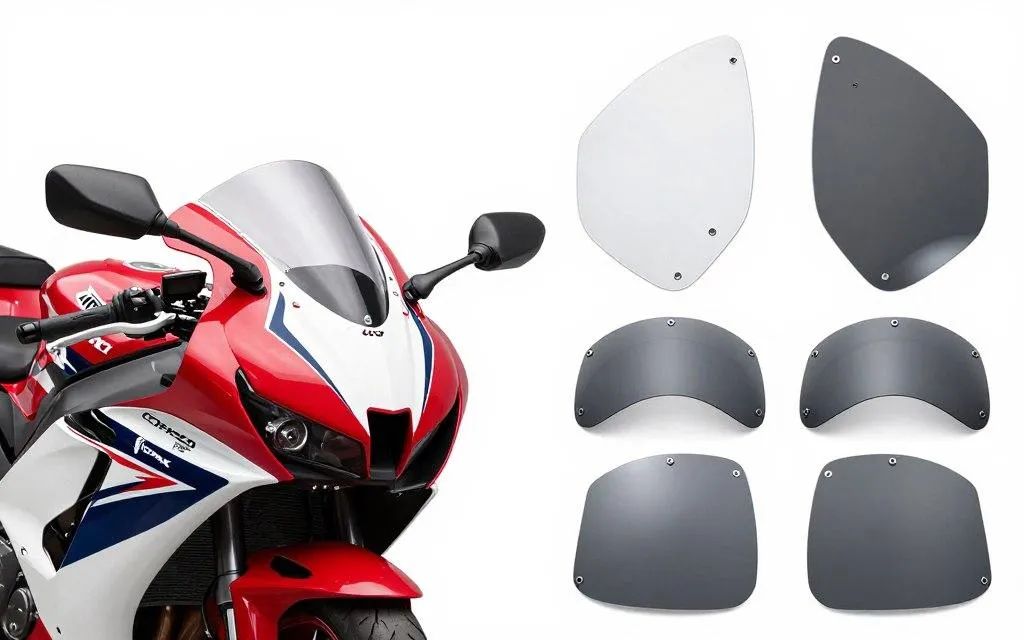
Windscreen mounting uses rubber grommets and specific hardware. Overtightening cracks windscreens. Use proper torque when installing windscreens. Replace mounting grommets if windscreen moves or rattles during riding.
Racing windscreens provide minimal wind protection but reduce weight. Touring windscreens increase comfort for long rides. Choose windscreen height based on your riding position and typical speeds. Tinted windscreens reduce glare but may limit visibility at night.
Fenders and Mud Guards
Front fenders prevent water and debris from hitting the engine and rider. The front fender mounts to the fork lowers. Lightweight aftermarket fenders reduce unsprung weight. Carbon fiber fenders offer the ultimate in weight reduction.
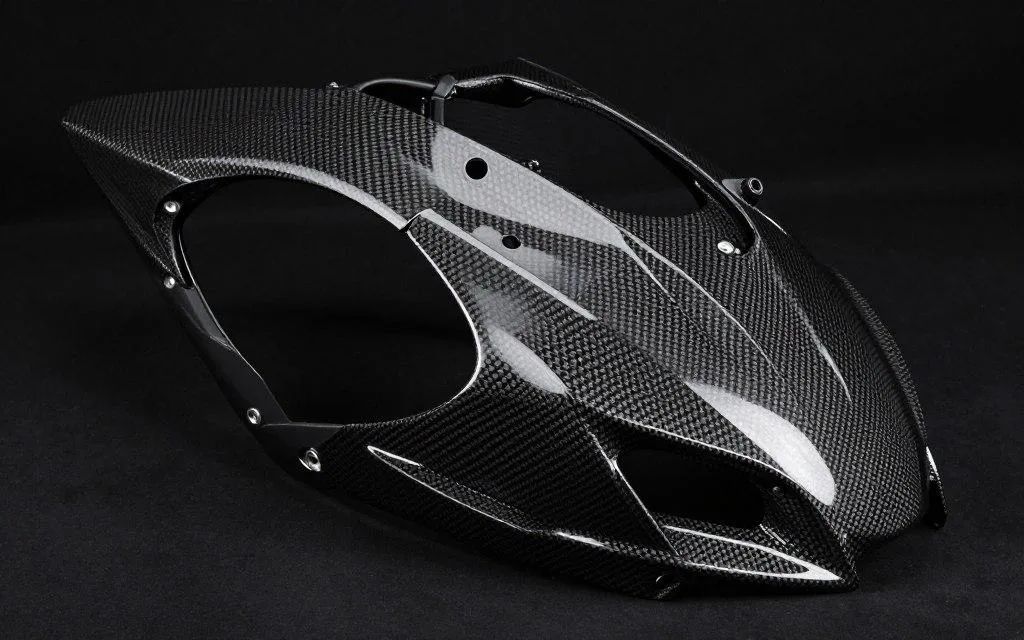
Rear fenders attach to the subframe and prevent rear wheel spray. Fender eliminators remove the rear fender for a cleaner appearance. License plate relocators maintain legal compliance while improving aesthetics. Consider local regulations before removing rear fenders.
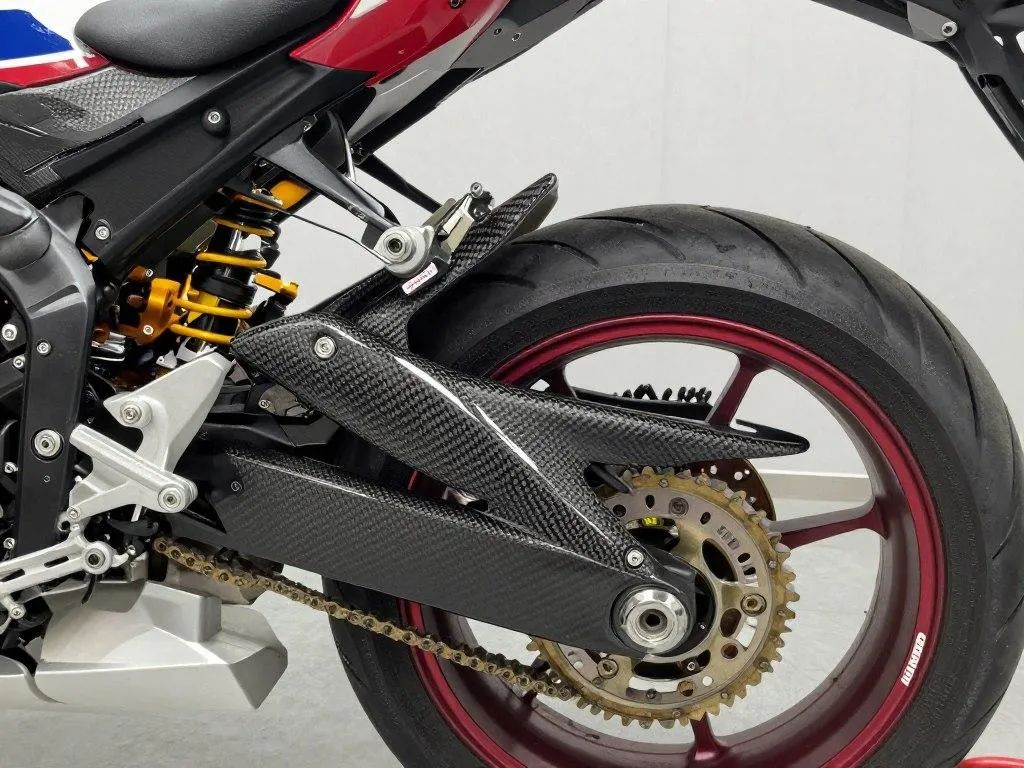
Rear hugger fenders protect the shock from road spray. They mount to the swingarm and move with the suspension. Huggers reduce shock contamination and extend service life. Many aftermarket huggers add visual appeal with carbon fiber or painted finishes.
Tank and Seat Components
Fuel tanks rarely need replacement unless damaged. Tank dents can often be repaired professionally. The fuel tank cap includes venting and locking mechanisms. Replace damaged tank caps to prevent fuel leaks and maintain proper tank pressure.
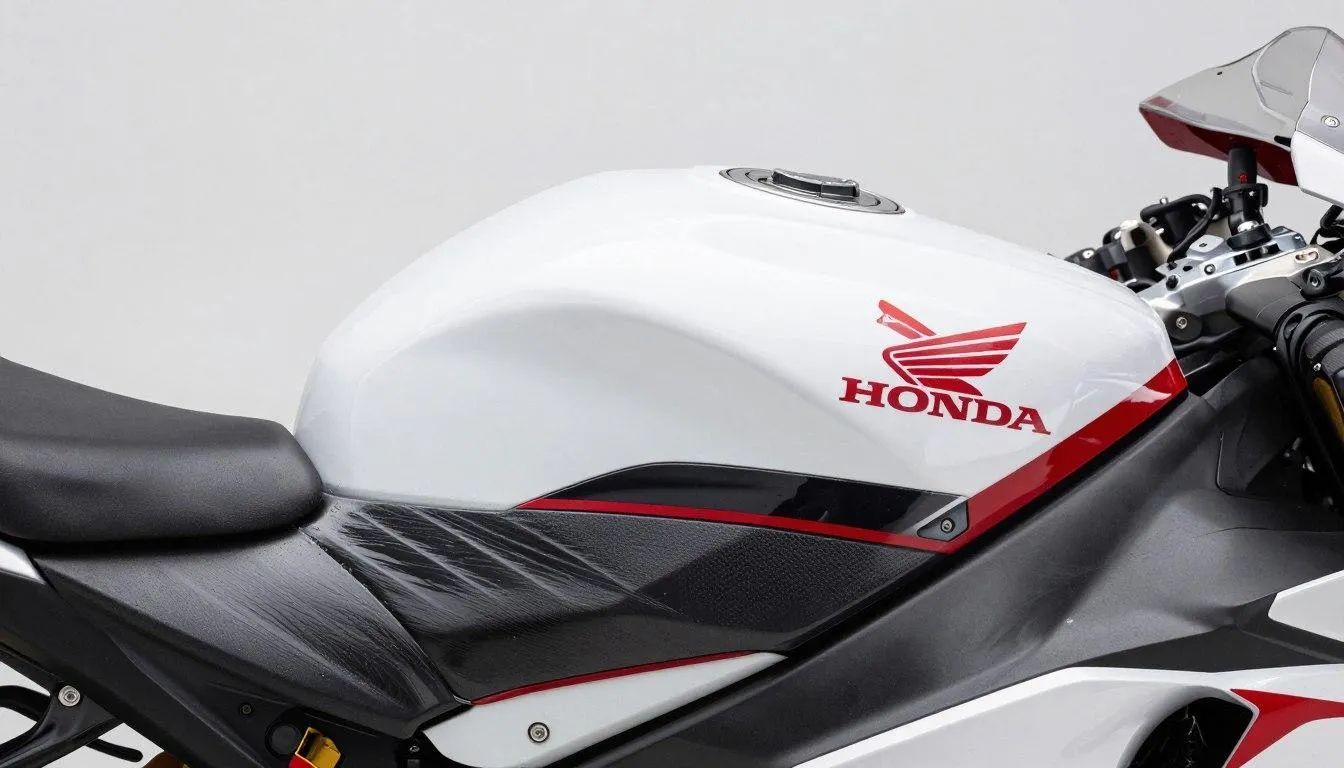
Tank pads protect the paint from jacket zippers and tank bags. Adhesive tank pads come in various designs. Carbon fiber tank protectors add style while protecting finish. Remove tank pads carefully to avoid paint damage.
Seats affect comfort and riding position. Factory seats balance comfort and sporting capability. Aftermarket seats offer different padding densities and shapes. Gel seats provide additional comfort for long rides. Racing seats reduce weight and lower rider position.
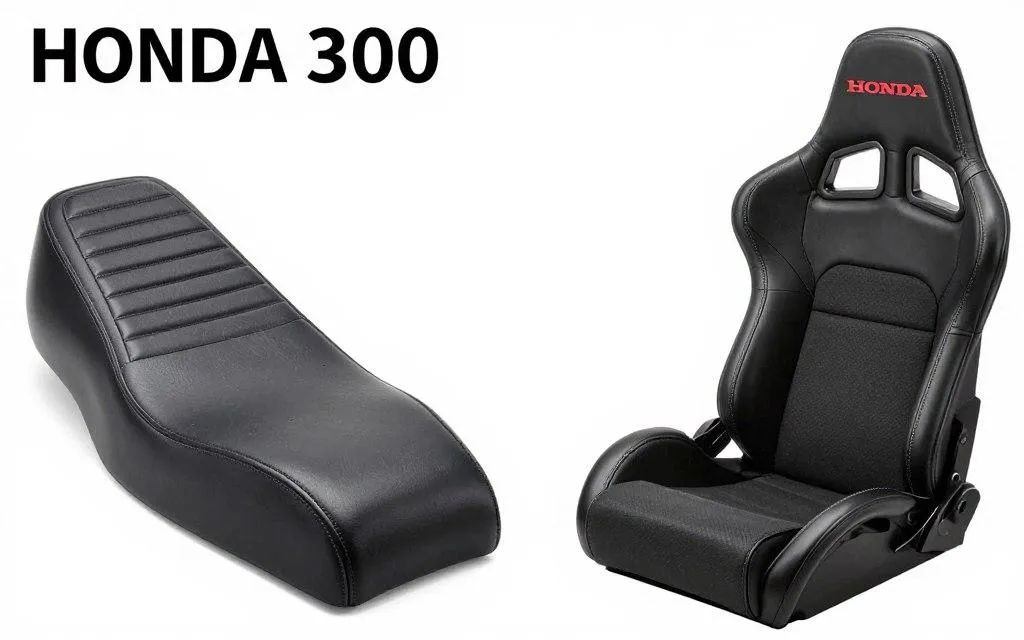
Complete Bodywork Solutions for CBR900RR
From OEM replacement panels to complete race fairing kits. We offer factory-matched colors and custom options. All fairings quality-checked before shipping. Australian customers receive tracked delivery with insurance.
Electrical System Parts and Components
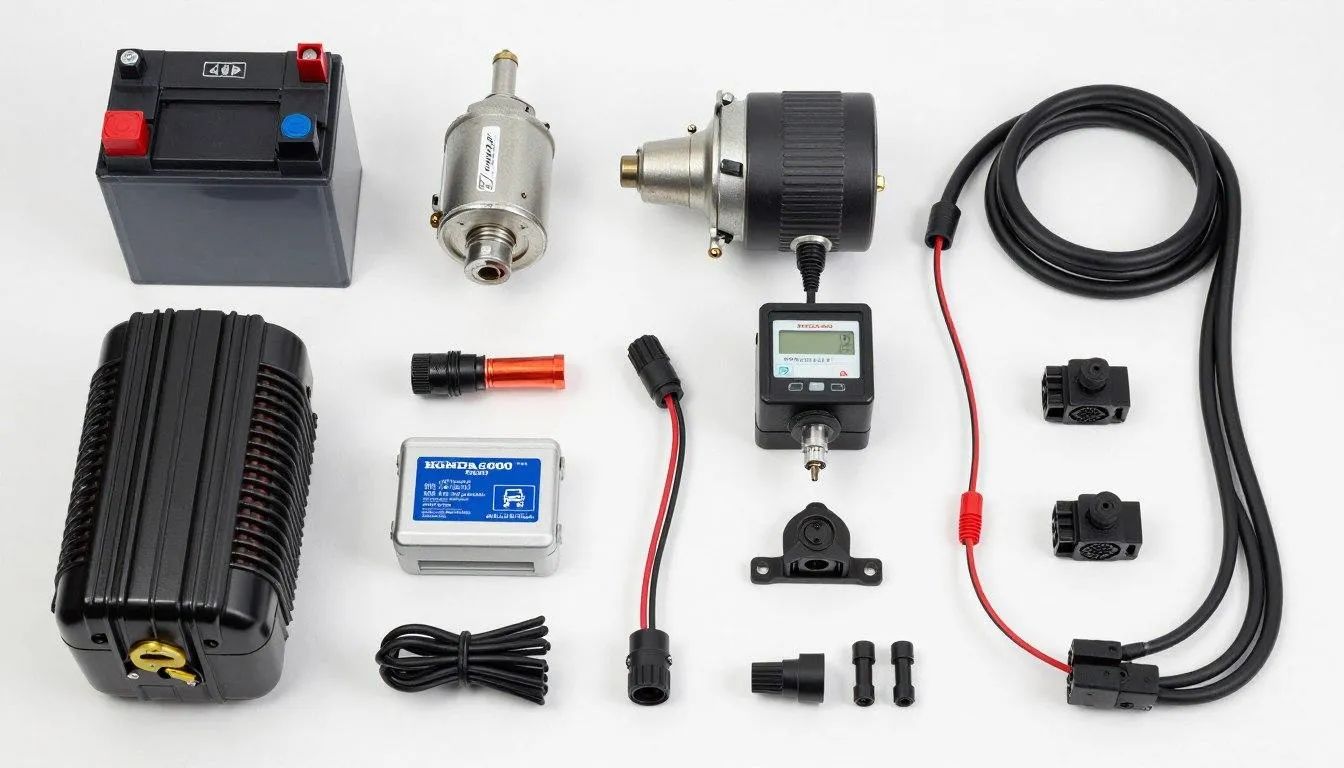
The electrical system powers ignition, lights, and accessories. Reliable electrical parts prevent breakdowns and ensure safe operation. Understanding electrical components helps diagnose problems and select correct replacement parts for your CBR900RR.
Battery and Charging System
The battery stores electrical energy for starting and powers systems when the engine isn't running. CBR900RR models use a 12-volt battery. Conventional batteries require periodic water additions. Maintenance-free batteries offer convenience but cost more.
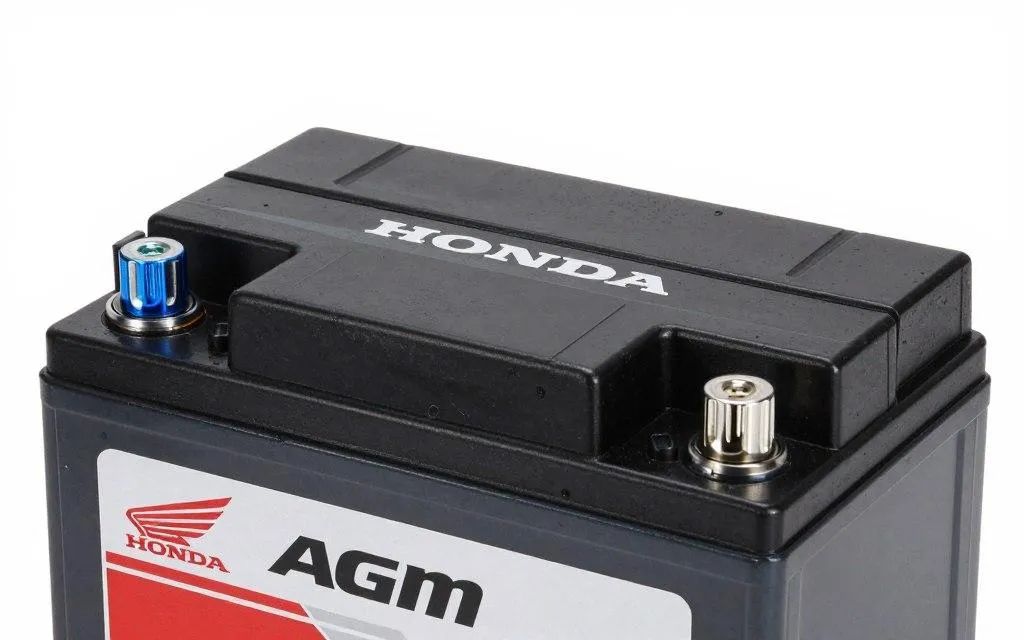
Lithium batteries provide weight savings and strong cranking power. They require specific charging systems or chargers. Lithium batteries perform poorly in cold weather. Consider your climate and riding patterns before switching to lithium batteries.
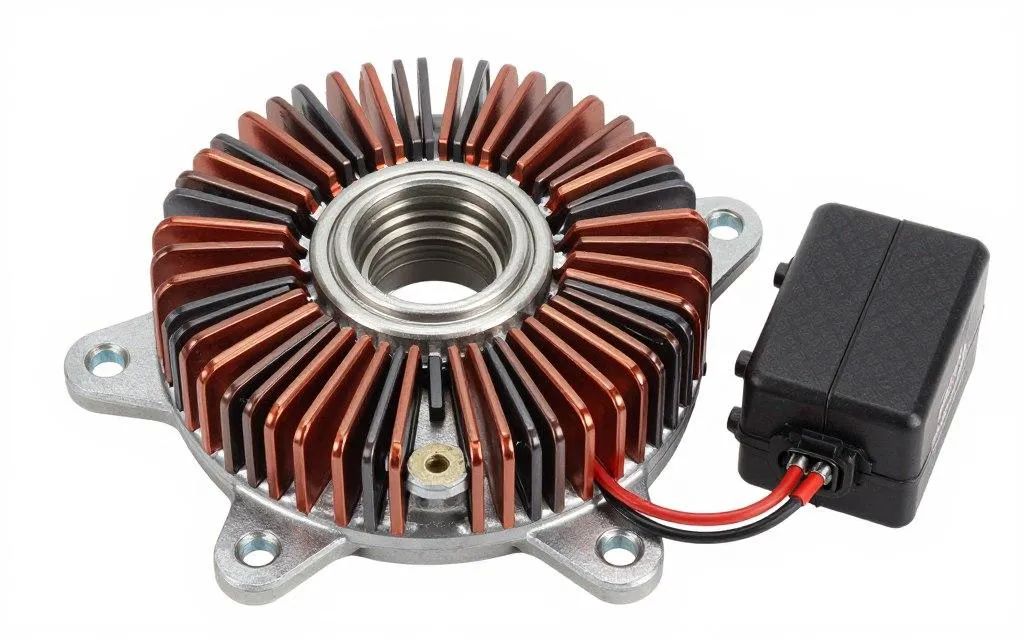
The alternator generates electricity while the engine runs. Stator coils inside the engine produce AC power. The voltage regulator converts AC to DC and controls charging voltage. Test charging system output if battery repeatedly discharges or charging issues occur.
Starter System Components
The starter motor cranks the engine for starting. Starter motors rarely fail but brushes wear over time. Weak cranking indicates worn starter brushes or a failing motor. Test battery voltage before replacing the starter to rule out battery issues.
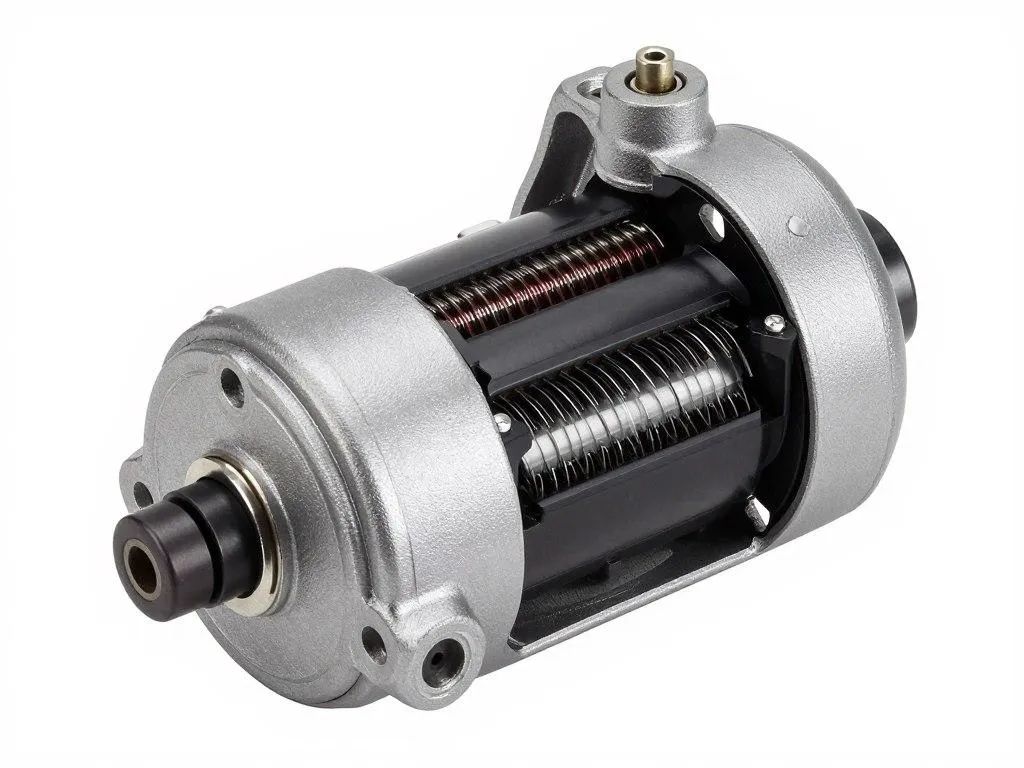
The starter solenoid engages the starter motor when you press the start button. A clicking sound without cranking indicates solenoid failure. Replace failed solenoids to restore starting function. Clean electrical connections to prevent starting problems.
Starter relay switches high current to the starter motor. The relay prevents high current from flowing through handlebar switches. Failed relays cause no-start conditions. Test relay operation with a multimeter before replacement to confirm failure.
Lighting System Parts
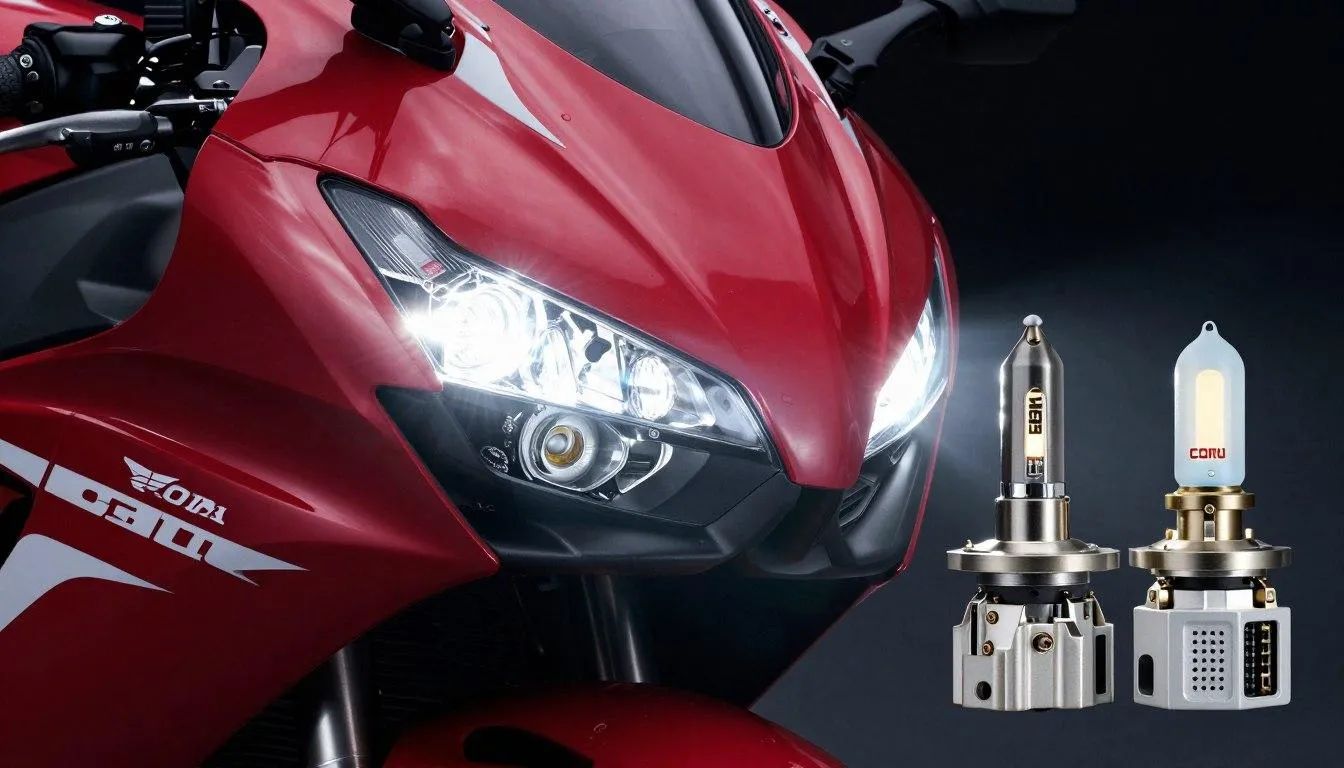
Headlight bulbs illuminate the road ahead. CBR900RR models use H4 or similar bulbs depending on year. LED headlight bulbs offer improved visibility and longer life. Ensure LED bulbs are compatible with your bike's electrical system before installation.
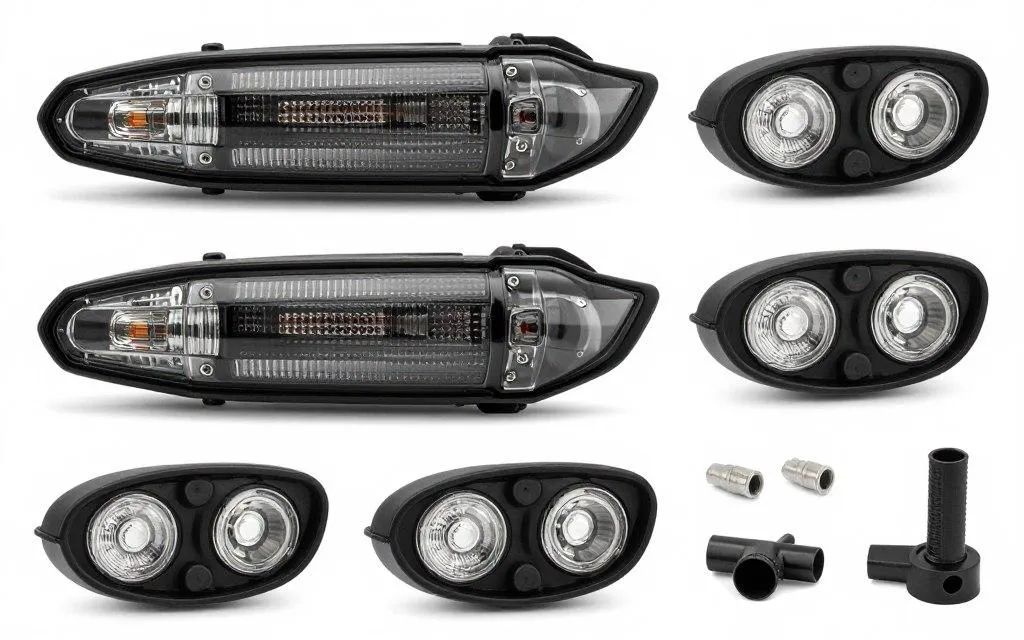
Tail lights and brake lights ensure visibility to other vehicles. Integrated tail light assemblies combine tail, brake, and turn signals. LED tail lights draw less power and last longer than incandescent bulbs. Verify plug compatibility when upgrading to LED tail lights.
Turn signal lights use amber bulbs or lenses. Some aftermarket turn signals use clear lenses with amber bulbs. LED turn signals may require load resistors to prevent fast flashing. Install resistors in the wiring if LED signals flash too rapidly.
Switches and Control Components
Handlebar switches control lights, turn signals, horn, and engine kill. Switches fail from weather exposure and wear. Clean switches regularly to prevent corrosion. Replace switch assemblies if buttons stick or fail to operate properly.
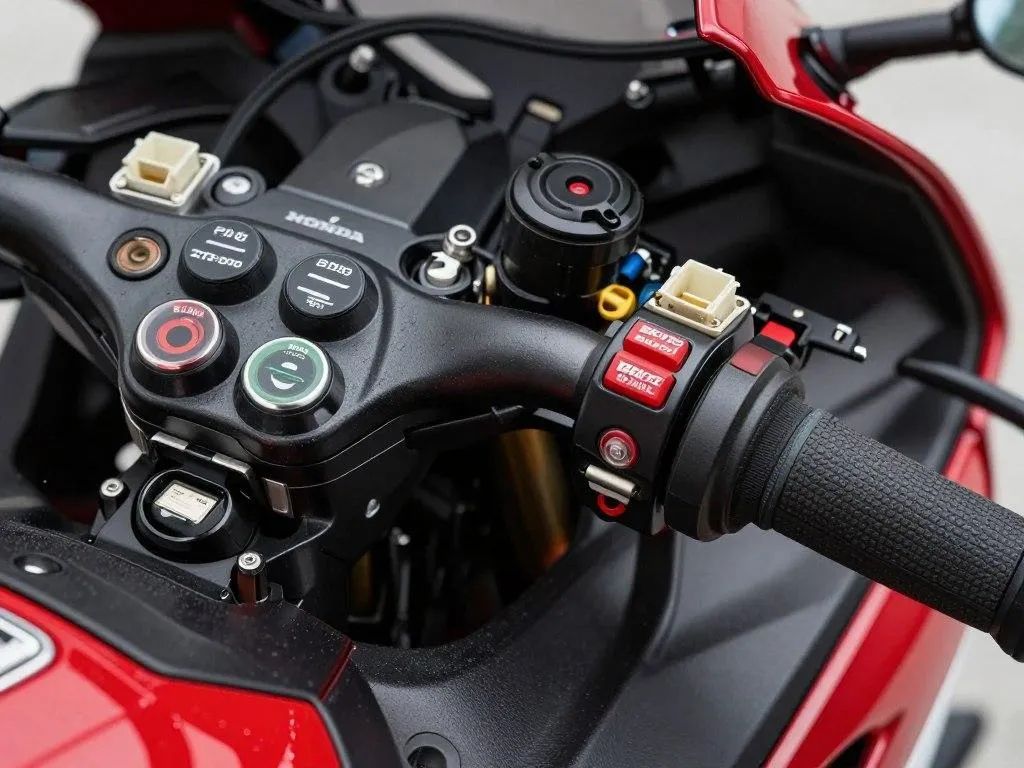
The ignition switch powers the electrical system and prevents theft. Worn ignition switches allow the key to be removed in any position. Replace ignition switches when wear becomes apparent. Some models allow switch cylinder replacement without replacing the entire assembly.
Clutch and brake switches prevent starting in gear without the clutch pulled. They also activate brake lights. Adjust switches for proper activation. Replace switches that fail to activate brake lights or prevent starting in gear with clutch pulled.
Sensors and Control Modules
The engine control unit processes sensor inputs and controls fuel injection and ignition timing on fuel-injected models. ECUs rarely fail but can be damaged by electrical issues. Protect ECU from water and inspect connectors for corrosion.
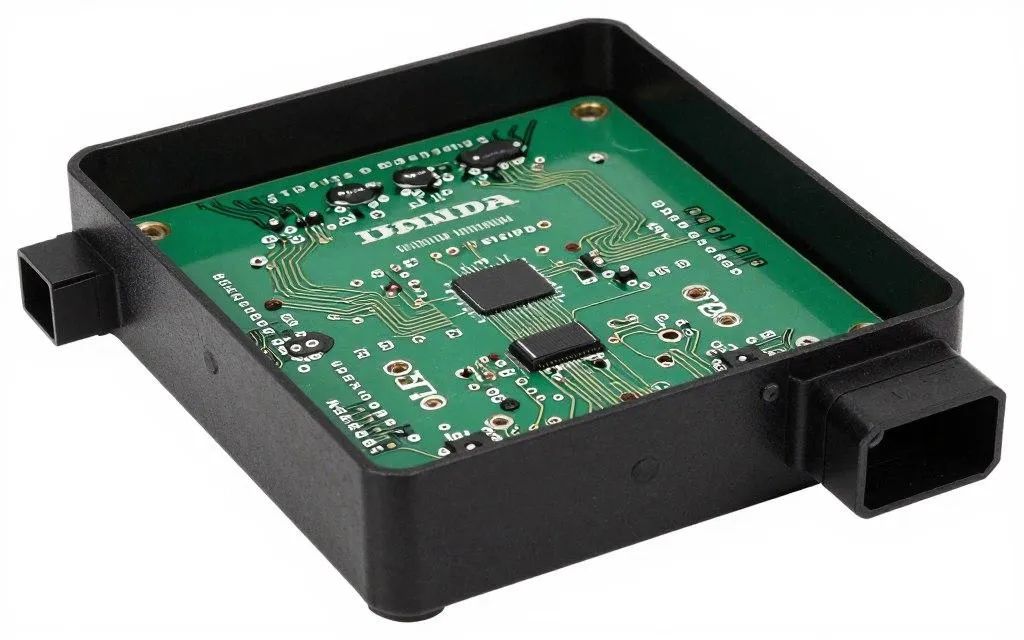
Temperature sensors monitor coolant and air temperature. Faulty temperature sensors cause poor running and error codes. Test sensors with a multimeter to verify operation. Replace sensors that show incorrect readings or intermittent operation.
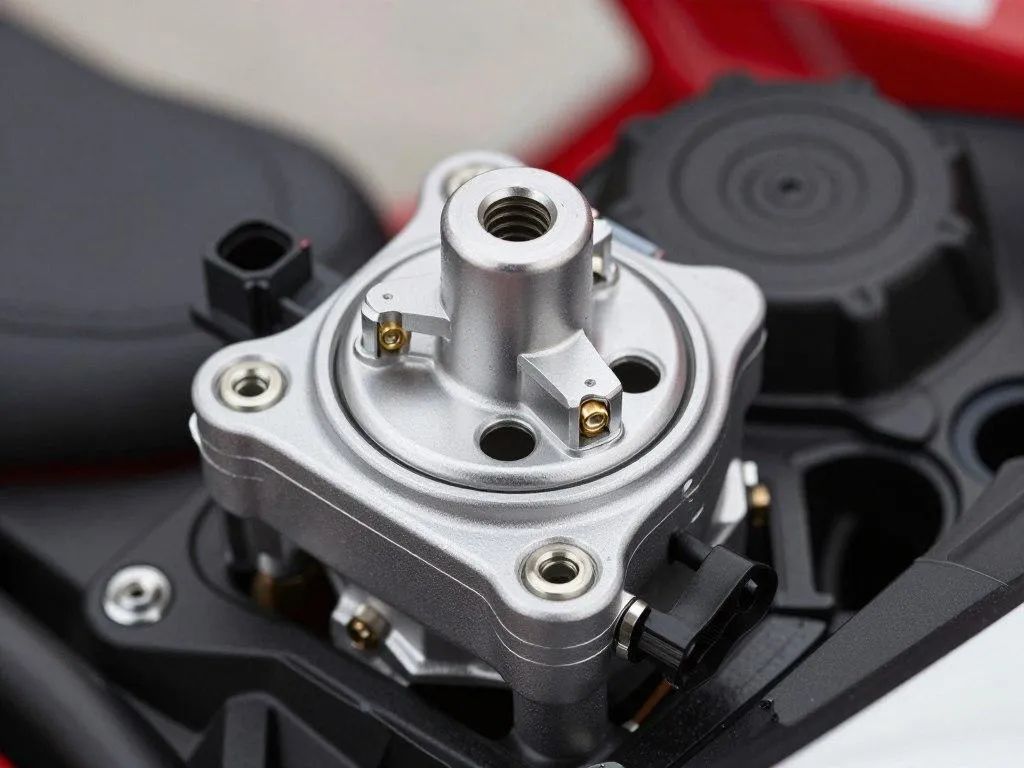
Throttle position sensors tell the ECU throttle opening angle. TPS sensors affect fuel delivery and ignition timing. Incorrect TPS adjustment causes poor throttle response. Follow factory procedures when adjusting or replacing throttle position sensors.
Cables and Control Components
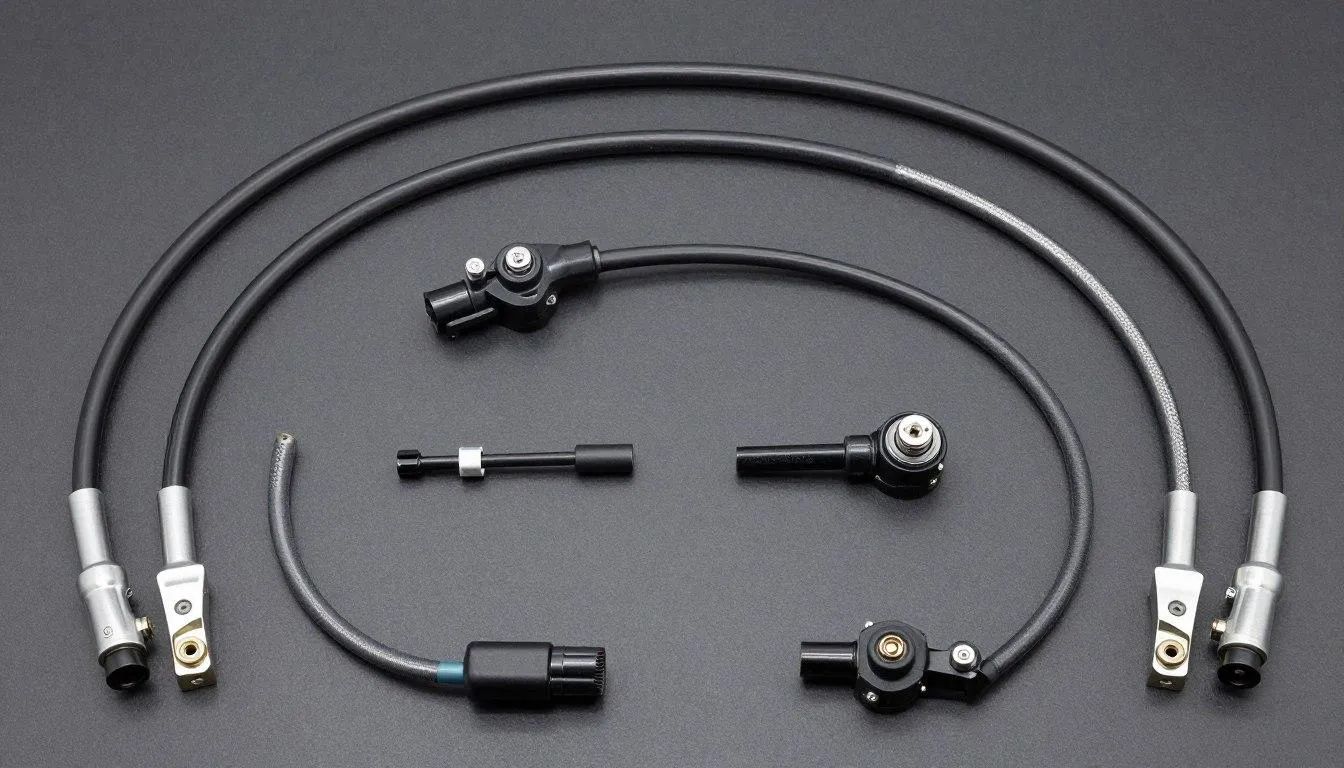
Control cables connect handlebar controls to mechanical components. Throttle, clutch, and choke cables require periodic replacement. Frayed or sticky cables compromise safety and control. Quality replacement cables ensure smooth operation and reliable performance.
Throttle Cable Parts
Throttle cables open and close the throttle butterflies or carburetors. Most CBR900RR models use dual throttle cables for safety. The pull cable opens the throttle while the push cable ensures positive closure. Both cables must be properly adjusted for smooth operation.
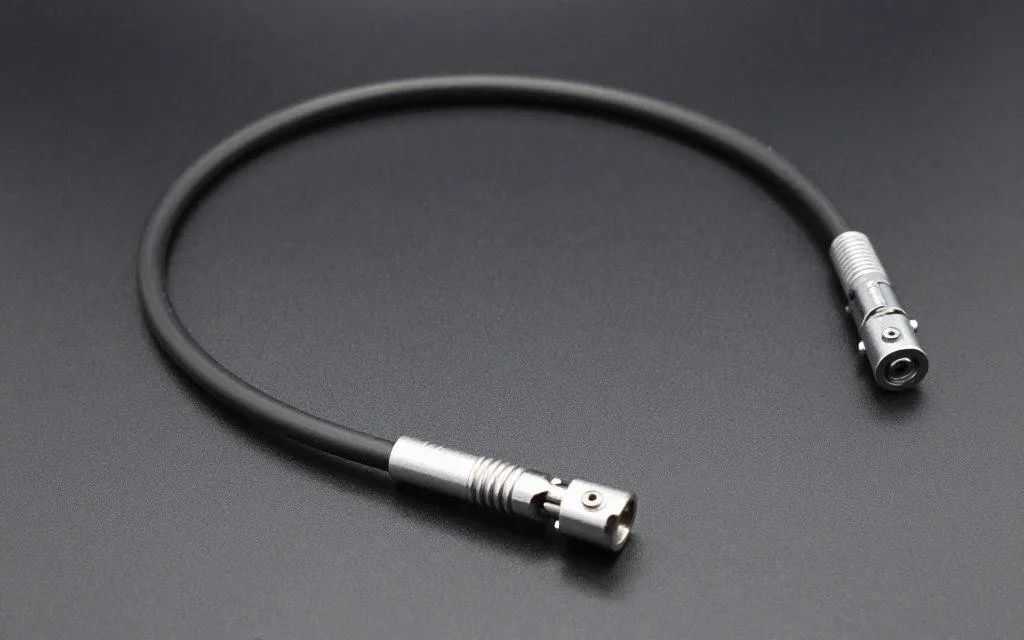
Cable routing affects operation and longevity. Follow factory routing to prevent binding and excessive wear. Lubricate cables annually with cable lubricator tool. Replace cables that feel sticky or show signs of fraying at the ends.
Cable adjusters allow free play adjustment. Maintain 2-3mm throttle free play at the grip. Too little free play prevents complete throttle closure. Excessive free play causes delayed throttle response. Adjust both cables together for synchronized operation.
Clutch Cable Components
The clutch cable transmits lever pressure to the clutch release mechanism. Cable stretch increases over time and requires adjustment. Maintain proper free play at the lever for complete clutch engagement and smooth operation.
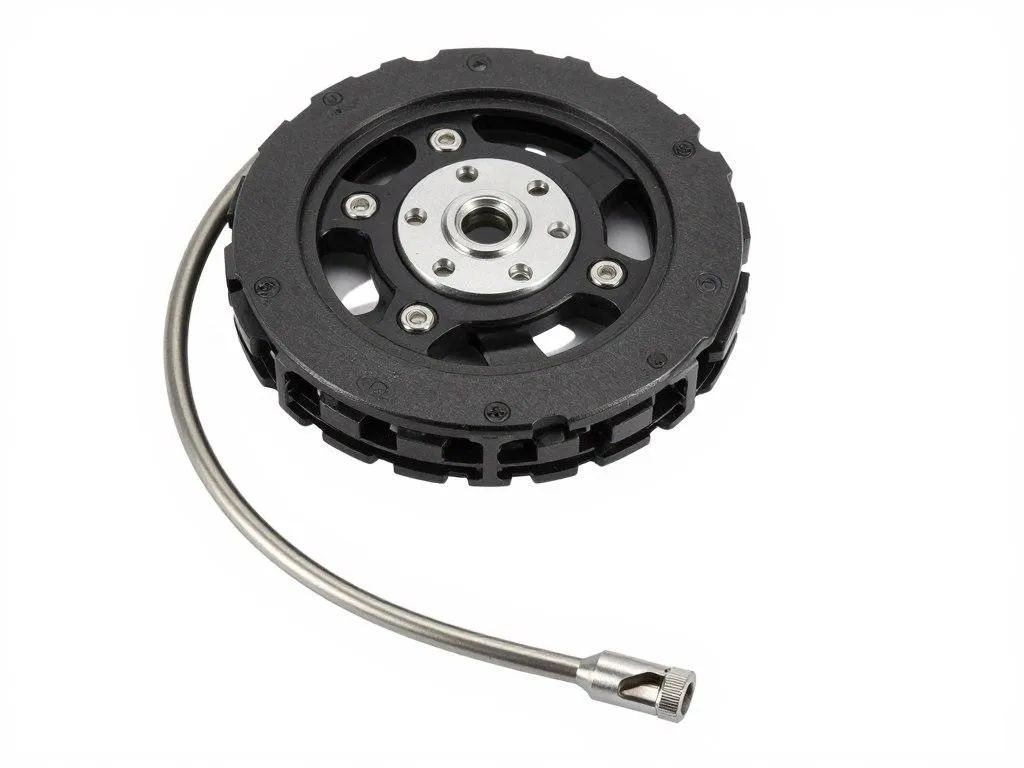
Stainless steel cables resist corrosion and last longer than standard cables. Teflon-lined cables reduce friction for lighter lever pull. Racing cables use different end fittings for aftermarket levers. Verify end compatibility before ordering replacement cables.
Clutch lever free play should measure 10-20mm at the lever tip. Adjust free play at the lever adjuster or lower cable adjuster. Excessive free play causes incomplete clutch release and difficult shifting. Insufficient free play causes clutch slippage.
Speedometer and Tachometer Cables
Mechanical speedometer cables drive the speedometer from the front wheel. Cable failure causes speedometer malfunction. Listen for cable noise which indicates dry or damaged cable. Replace noisy speedometer cables to prevent complete failure.
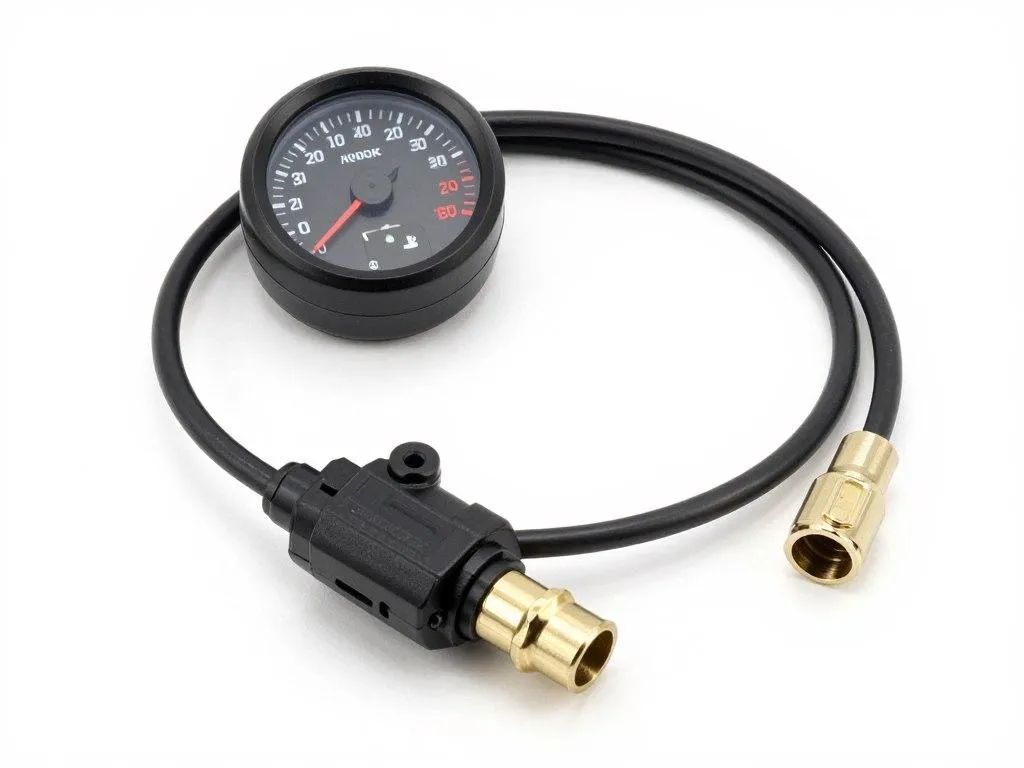
Electronic speedometers use sensors instead of cables. Speed sensors rarely fail but connections can corrode. Clean sensor connectors to maintain reliable speedometer operation. Replace sensors that cause intermittent speedometer function.
Tachometer operation varies by model. Some use mechanical cables while others use electronic pickup. Mechanical tachometer cables require occasional lubrication. Electronic systems need clean connections for reliable operation.